Last updated: June 2026 — prices and logistics verified June 2026.
Someone on the Rick Steves travel forum described the day trip as “6 hours of driving for 3 hours of sightseeing.” That’s the pessimistic version and also a fair warning if you’re going on a Saturday in August without planning the timing. Do it right, and it’s a genuinely excellent day. Do it wrong, and you’ll spend four hours queuing at two borders while missing the reason you came.
Here’s how to do it right.
Is a Day Trip to Montenegro from Dubrovnik Worth It?
Yes — with conditions.
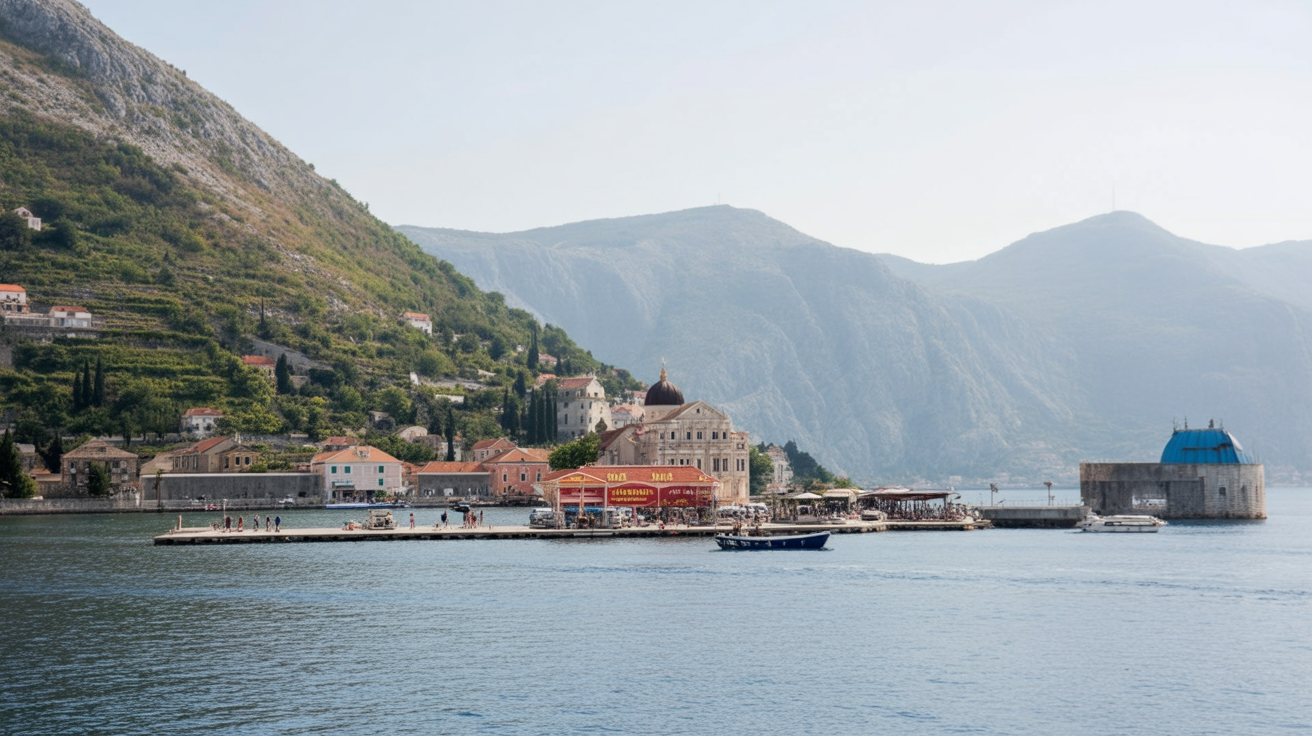
Montenegro is not a country you visit for the obvious dramatic highlights. It’s a country where the beauty is in the scale of the Bay of Kotor — which doesn’t feel like a bay until you’ve been inside it — and in the specific medieval character of Kotor’s Old Town. Neither of those things photographs well. Both of them reward being there.
If you’re based in Dubrovnik for a week, a day trip to Perast and Kotor is a legitimate use of one day. The drive is scenic in both directions. The border crossing is fine if you know what to expect. And Kotor Old Town, without a cruise ship in the harbour, is one of the most satisfying medieval walled cities in Europe.
⚠Real Talk
The honest limitation: Montenegro on a day trip from Dubrovnik is Kotor and Perast. That’s it. You will not see Durmitor, Budva properly, or the Albanian border coast. If you want to understand Montenegro — not just tick it off — add at least one night. The overnight version is significantly better than the day-trip version. But the day-trip version is still good.
The Two Options: Organised Tour or Self-Drive
This is the first decision, and it’s mostly about how much you want to manage the border crossing yourself.
Organised Group Tour (€30–68 per person)
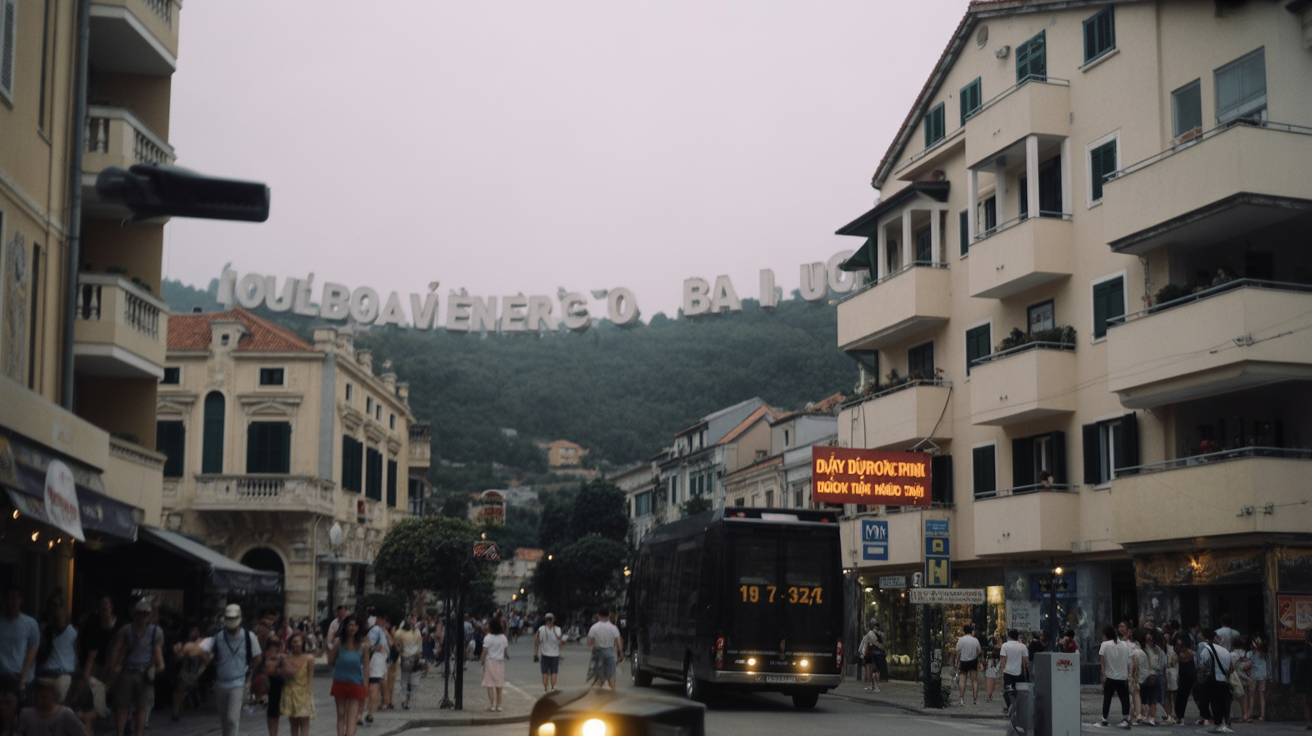
Group tours depart Dubrovnik at 7–8am, return around 6–7pm, and typically include Herceg Novi (quick stop), Perast, Our Lady of the Rocks, and Kotor. The price includes transport in an air-conditioned vehicle and an English-speaking guide.
Advantages: the guide handles the border logistics, the driving is not your problem, and you’ll get context on what you’re seeing. Disadvantage: you’re on a schedule and can’t linger anywhere. The boat to Our Lady of the Rocks usually costs ~€10 extra on top of the tour price. Lunch is not included.
Small-group tours (usually 8–12 people) run €65–85 per person and are worth the premium if you want a more personal experience with actual Q&A time. Book in advance in peak season — these fill up.
•TOM’S PICK
If it’s your first time doing this crossing and you’re not confident driving in the Balkans, take the group tour for peace of mind. If you’ve driven border crossings before and want flexibility to stay longer in Perast, drive. Both work — the choice depends on how much the logistics stress you.
Self-Drive (hire car from Dubrovnik)
The drive from Dubrovnik to Kotor is 83km on good roads. If you’re hiring a car in Dubrovnik, check that your hire agreement permits crossing into Montenegro — not all hire companies allow this, and you’ll need insurance documentation valid in Montenegro. Most major companies do allow it; confirm when booking.
Advantages: you decide the schedule, you can stop at the Verige strait overlook, you can spend an extra hour in Perast if it’s worth it. Disadvantage: you’re driving through a border crossing, navigating unfamiliar roads, and parking in Kotor (which is either expensive on the waterfront or a walk from the free areas).
Parking in Kotor: the waterfront car park charges €2/hour. There is a free area about 500 metres north of the North Gate — walk the walls from there. Don’t park on the main road; it’ll be clamped.
The Border Crossing: What to Expect
Montenegro is not in the EU, which means there’s a proper border crossing between Croatia and Montenegro. Bring your passport — not just your EU/national ID card. Some nationalities can cross on ID; British, American, Australian, and Canadian citizens need a full passport.
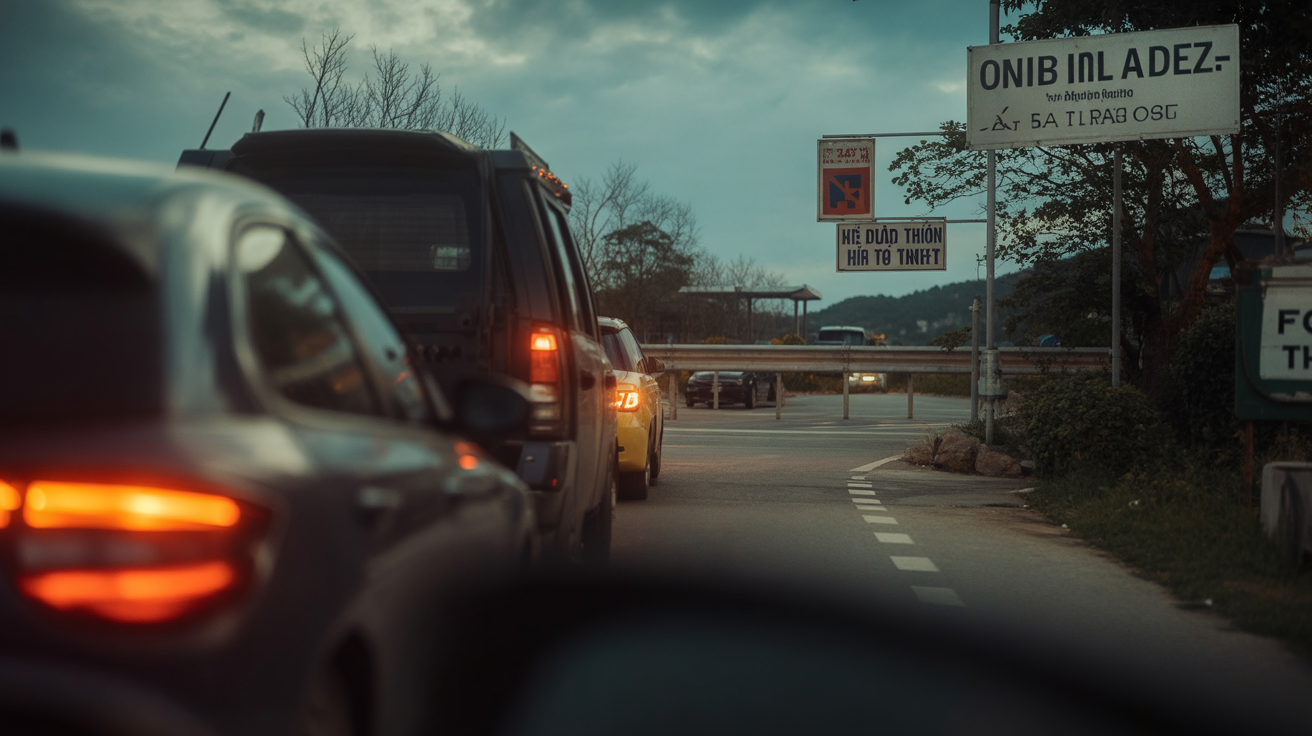
The main crossing from Dubrovnik is at Debeli Brijeg, on the main coastal road. On a quiet weekday morning, it’s 10–15 minutes. On a Saturday in August, it can be 45–90 minutes, with both Croatian exit and Montenegrin entry queues adding up.
What to have ready: passport for every person in the vehicle, hire car documentation (if driving), and insurance documents. Nothing complex — it’s not a difficult crossing — but the queue is real and unpredictable in summer.
ℹKnow Before You Go
Leave Dubrovnik no later than 8am if you’re going in peak season (July–August). The border queue at 8am is significantly shorter than at 10am. The tours that depart at 7am have the right idea — you’re at Perast by 10am before the midday heat settles in and while the light on the water is still good.
The Itinerary That Actually Works
Here is the one-day route. In order. Without adding Budva, which turns a good day into a rushed one.
Herceg Novi: Quick Stop or Skip
Herceg Novi is the first Montenegrin town after the border — a fortified coastal town with a 15th-century clock tower, Ottoman and Venetian architecture, and a pleasant waterfront. It’s genuinely worth a look if you have an extra 45 minutes. Most organised tours stop here briefly.
If you’re driving and tight on time: keep going to Perast. Herceg Novi is better experienced on a separate day when you can give it proper time rather than a 30-minute tourist-photo stop.
Perast: The Reason You Made the Drive
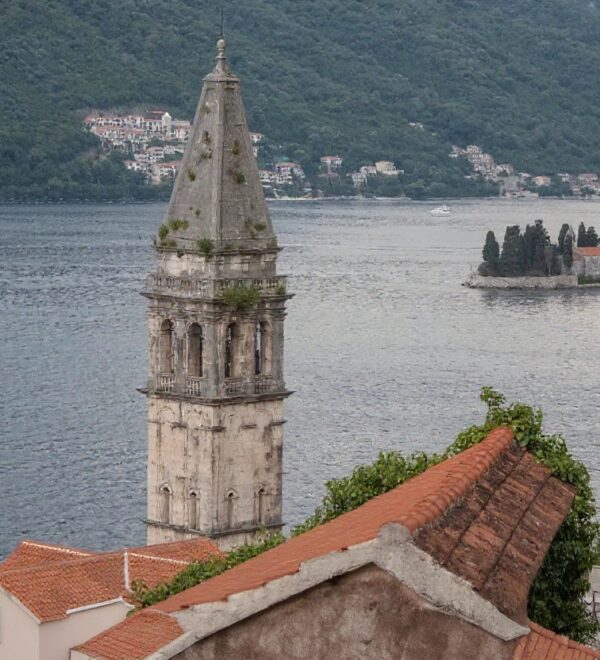
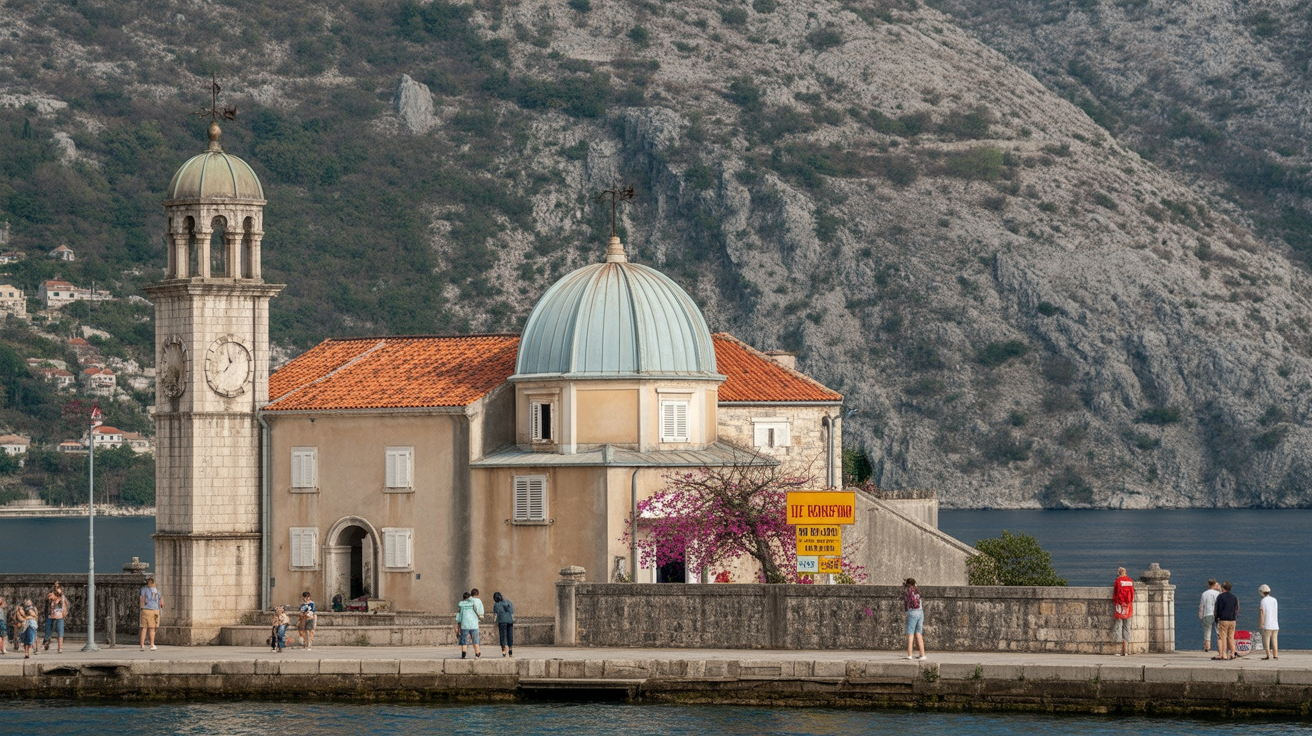
Twelve kilometres from Kotor, on the narrows of the Bay of Kotor. Perast has 400 residents, 16 churches, and two islands offshore. It was a Venetian maritime city in the 17th century — the bell tower is the most elegant thing for 50km in any direction. The salt air coming off the bay in the morning, before the day-trip boats arrive, is the smell you’ll remember.
Allow minimum 2 hours. More if you can.
Our Lady of the Rocks (Gospa od Škrpjela): The artificial island offshore from Perast, built by Venetian sailors over centuries who dropped stones each time they passed. The church on it was built in 1630. Small boats ferry visitors from the Perast waterfront for around €10 return (~£8.60). The boat trips run continuously during the day — no advance booking needed, just wave from the waterfront.
Inside the church: the nave ceiling has 68 votive paintings and a tapestry partially embroidered with human hair, which took a local woman 25 years. This is worth seeing in person and will not photograph adequately. Entry to the church: €2 (~£1.70).
GPS for Perast: 42.4845° N, 18.6985° E.
Kotor Old Town: The Main Event
Kotor is 12km south of Perast — 15 minutes by car, longer if you’re stuck behind summer traffic on the narrow bay road. Budget at least 2 hours in Kotor, more if you want to climb the walls.
The Old Town is enclosed by the same 4.5km of Venetian walls that have kept it intact since the 9th century. Entry through the Sea Gate on the waterfront — the main gate, the one that opens directly from the waterfront car park. Inside: the Cathedral of Saint Tryphon (12th century, the oldest in Montenegro), several small Orthodox churches, and the kind of medieval street grid that’s easy to get lost in and impossible to navigate by map.
The walls walk: Entry €8 (~£6.90). Climbs 260 vertical metres to the castle ruins. Takes 1.5–2 hours at a reasonable pace, longer if you stop (you will stop). At noon in July, this is 38 degrees and 400 people. At 7am in September, it’s the best view in Montenegro. On a day trip from Dubrovnik, you’ll likely arrive after the cool morning window — know this going in.
If you’re skipping the walls, Kotor Old Town is still worth 2+ hours for the squares, the churches, and lunch. See the full guide at Things to Do in Kotor.
Kotor Old Town: Making the Most of It
Kotor Old Town is compact — about 1.5km of streets within the walls — and easy to navigate without a map once you’re inside. The main landmarks cluster around two squares: Trg od Oružja (the Weapons Square, the main entrance plaza) and Trg Sv. Tripuna (St. Tryphon’s Square, where the cathedral is).
The Cathedral of Saint Tryphon is the oldest cathedral in Montenegro — the original Byzantine structure dates to 809 AD, with significant rebuilding after the 1667 earthquake. Entry is €3 (~£2.60). The treasury upstairs holds some of the finest Romanesque goldwork in the Adriatic and is worth the extra 10 minutes.
The Maritime Museum of Montenegro on St. Tryphon’s Square tells the story of Kotor as a Venetian maritime city — interesting context for the walls and the bay, and currently priced at €4 (~£3.45).
For lunch: the restaurants on the main square (Trg od Oružja) are convenient and tourist-priced. Walk two streets back from the square — Ulica Pima, or the lanes immediately around the clock tower — and the prices drop 30–40% for the same grilled fish and lamb. The ćevapi (say: cheh-VAH-pee — grilled minced meat sausages) are good at any of the spots away from the main tourist drag. Budget €12–20 for a proper lunch with a beer.
The city walls (entry €8): worth considering if you’re arriving before 11am and the heat isn’t yet brutal. The climb to the top — 1,350 steps, 260 vertical metres — takes 60–90 minutes each way. The view over the bay from the upper fortress is the best available. In July or August after 10am, it’s genuinely unpleasant. If you’re on a day trip from Dubrovnik and arrive at Kotor at noon, skip the walls and save them for a return visit. The Old Town at ground level is sufficient for a day trip.
Full guide including what to see at different times of day: Things to Do in Kotor.
If You Have Two Days Instead of One
The overnight version of this trip is considerably better than the day trip version. Here’s what adding one night unlocks:
Kotor at 7am: The single best thing about staying in Kotor overnight is the morning before the day-trippers arrive. Kotor Old Town at 7am — before the gates open to tour groups, before the cruise ships dock — is one of the quietest, most atmospheric old towns in the Adriatic. The worn limestone underfoot, the smell of fresh bread from the bakery at the North Gate, the church bells at 7:30am. This version of Kotor requires an overnight. You cannot day-trip your way to it.
Perast properly: A full afternoon in Perast rather than 90 rushed minutes. Lunch at a waterfront konoba (say: KOH-no-ba — traditional Montenegrin restaurant). The boat to Our Lady of the Rocks in late afternoon when the light on the water is golden. Swimming off the rocks at the edge of the village. The version of Perast that doesn’t feel like a sprint.
Budva: If you have a second day, Budva becomes possible and worth doing. The Old Town walls, the medieval citadel, the Montenegro Riviera beaches south of town. It doesn’t work in a one-day Dubrovnik trip. It works as a second day based in Kotor.
Accommodation in Kotor: budget guesthouses start around €30–40/night in shoulder season, mid-range €60–100, with a significant jump in July–August. Book ahead for July. For the full accommodation picture: Montenegro travel information.
Don’t Add Budva to the Same Day
Right, this is the one piece of advice I give most firmly.
Budva is 25km south of Kotor — another 35–45 minutes each way. Adding Budva to a Dubrovnik day trip means you’ll have 45 minutes in Perast, an hour in Kotor, and 45 minutes in Budva. None of those times are enough for what those places actually are. You’ll be rushing through all three and not understanding any of them.
If you want Budva, add a night in Montenegro and do Budva as a second day. See Things to Do in Budva for what it offers when you’re not rushed through it.
The Confession: What I Got Wrong on a Sunday in August
I drove to Montenegro from Kotor — I live there, but bear with me — on a Sunday morning in August to meet some friends who were coming over from Dubrovnik for the day.
They left Dubrovnik at 9:30am. Reasonable, they thought. Arrived at the border at 10:15am on a Sunday in August. The queue was 75 minutes. They reached Perast at 12:30pm, the midday heat was in full effect, and they had until 6pm before they needed to be back for dinner in Dubrovnik.
They spent an hour in Perast, skipped the boat to Our Lady of the Rocks because the queue looked long, spent 90 minutes in Kotor, and were back at the border by 4pm. The trip was fine. It was also about 40% of what it should have been.
Leave by 8am. On a weekday if you can arrange it. The border at 8am on a Tuesday is a completely different experience from the border at 10am on a Sunday.
The Montenegro Day Trip: Cost Breakdown
People ask what a day trip from Dubrovnik to Montenegro actually costs, all in. Here’s the honest number.
The self-drive option is cheaper per person when two or more share the car. The group tour is worth paying for if this is your first Balkan border crossing and you don’t want to navigate the logistics yourself. The guide provides context that self-driving doesn’t — if you want to understand what you’re looking at in Perast and Kotor, the €30–45 group tour guide earns their fee.
Returning to Dubrovnik: The Timing Question
The return crossing matters as much as the outbound one. Here’s what changes the calculation.
Leaving Kotor by 4pm gets you to the border between 4:30pm and 5pm. On a summer weekend, the return queue (Montenegro exit + Croatia entry) can be 30–60 minutes. You’re back in Dubrovnik by 6:30–7pm — reasonable for dinner.
Leaving Kotor at 5:30pm takes you to the border at 6pm when the queue has often thinned — cruise ships have returned, tour buses have cleared the border, and the weekend traffic has passed its peak. Counter-intuitive but often faster. Back in Dubrovnik by 8pm.
Don’t leave later than 6:30pm if you’re self-driving and want to be in Dubrovnik for dinner. The border doesn’t close, but the coastal road between Herceg Novi and Debeli Brijeg is single-lane in places and slow after dark.
The group tours handle the return automatically — they know the border timing and route accordingly. One advantage of the tour format that self-drivers occasionally underestimate.
Practical Notes
Currency: Montenegro uses the euro, without being an EU member. No currency exchange needed if you’re coming from Croatia with euros. Cards are widely accepted in Kotor; smaller places in Perast may be cash-only.
What to bring: Passport (not optional), comfortable shoes (Kotor’s Old Town is cobblestone throughout), sun protection for the walls walk, and cash for the Perast boat and the church entry.
Safety: Montenegro is very safe. The border crossing is the most logistically complex part of the day. For the full picture: Is Montenegro Safe?
Best time to go: May–June and September–October. Shoulder season means cooler temperatures, shorter border queues, and Kotor Old Town without the cruise-ship crowds. The full seasonal breakdown: Best Time to Visit Montenegro.
FAQ: Day Trip Dubrovnik to Montenegro
- Is a day trip from Dubrovnik to Montenegro worth it?
- Yes — if you go to Perast and Kotor and don’t try to add Budva. The drive is scenic, the Bay of Kotor is genuinely beautiful, and Kotor Old Town is one of the best-preserved medieval walled cities in the Adriatic. Plan for the border crossing (30–60 minutes in summer), leave early, and the day works. Rush it or arrive at 10am on a Saturday in August, and it won’t.
- How long is the drive from Dubrovnik to Kotor?
- About 2h15 door-to-door on a clear day, not counting the border crossing. The border at Debeli Brijeg adds 10–15 minutes on a quiet weekday or 45–90 minutes on a busy summer weekend. Total travel time from Dubrovnik to Kotor in peak season: plan for 3–3.5 hours to be safe. Leave by 8am to avoid the worst queues.
- Should I book a tour or self-drive to Montenegro from Dubrovnik?
- Tour if you don’t want to deal with the border driving logistics or if this is your first time crossing a Balkan border with a hire car. Self-drive if you want flexibility to linger in Perast or take the scenic route along the bay. Tours cost €30–68 per person (group) or €65–85 (small group). Self-drive costs the hire car rate plus fuel and a Kotor parking fee (~€2/hour on the waterfront).
- What documents do I need for Montenegro from Dubrovnik?
- A valid passport for every traveller — Montenegro is not in the EU or Schengen, so it’s a full border crossing. Most nationalities enter visa-free for 90 days. If you’re driving a hire car, bring the hire documentation and check that your insurance covers Montenegro — most major rental companies include it, but confirm when booking.
- Can you do Kotor and Budva in one day from Dubrovnik?
- Technically yes. Comfortably, no. Dubrovnik → border → Perast → Kotor → Budva → return is 5+ hours of driving on a day that also needs time for sightseeing. You’d have 45–60 minutes at each stop, which is enough to see the postcard but not enough to understand the place. Choose two of the three — Perast and Kotor is the correct two.
- What’s the best itinerary for a Montenegro day trip from Dubrovnik?
- Leave Dubrovnik by 8am. Cross the border at Debeli Brijeg. Quick stop at Herceg Novi (optional, 30 minutes) or drive straight to Perast. Spend 2 hours in Perast including the boat to Our Lady of the Rocks (~€10). Drive to Kotor (15 minutes). Spend 2–3 hours in Kotor Old Town. Leave by 4pm to be back in Dubrovnik by 7pm. This schedule works without feeling rushed.
Before You Leave Dubrovnik
Montenegro on a day trip is Perast and Kotor. Both are worth it. Neither is a dramatic revelation — they’re a bay, an island church, and a medieval town. But the Bay of Kotor at 10am with the morning mist clearing over the water, and Kotor Old Town before the cruise ships arrive, are two things that stick with people in a way that’s disproportionate to how understated they seem on paper.
Leave early. Bring a passport. Book the boat at Perast before the queue builds. Don’t add Budva. You’ll have a good day.