Last updated: June 2026 — safety information verified June 2026.
I’ve lived in Kotor for three years. I walk home from bars at midnight. I leave my laptop in cafés when I go to the bathroom. I cycle around the bay at dawn.
I am not worried about my safety in Montenegro. Not even slightly.
But people ask this question, and it deserves an honest answer rather than either “absolutely fine, don’t worry!” or a fear-mongering list of dangers. So here’s what you actually need to know.
The Overall Safety Picture
Montenegro is a small Balkan country — population 620,000, smaller than Bristol — that had a messy independence from Serbia in 2006 and has been quietly sorting itself out ever since. EU accession negotiations are ongoing. The country uses the euro. It is, by most credible measures, a normal, functioning European state with a low violent crime rate.
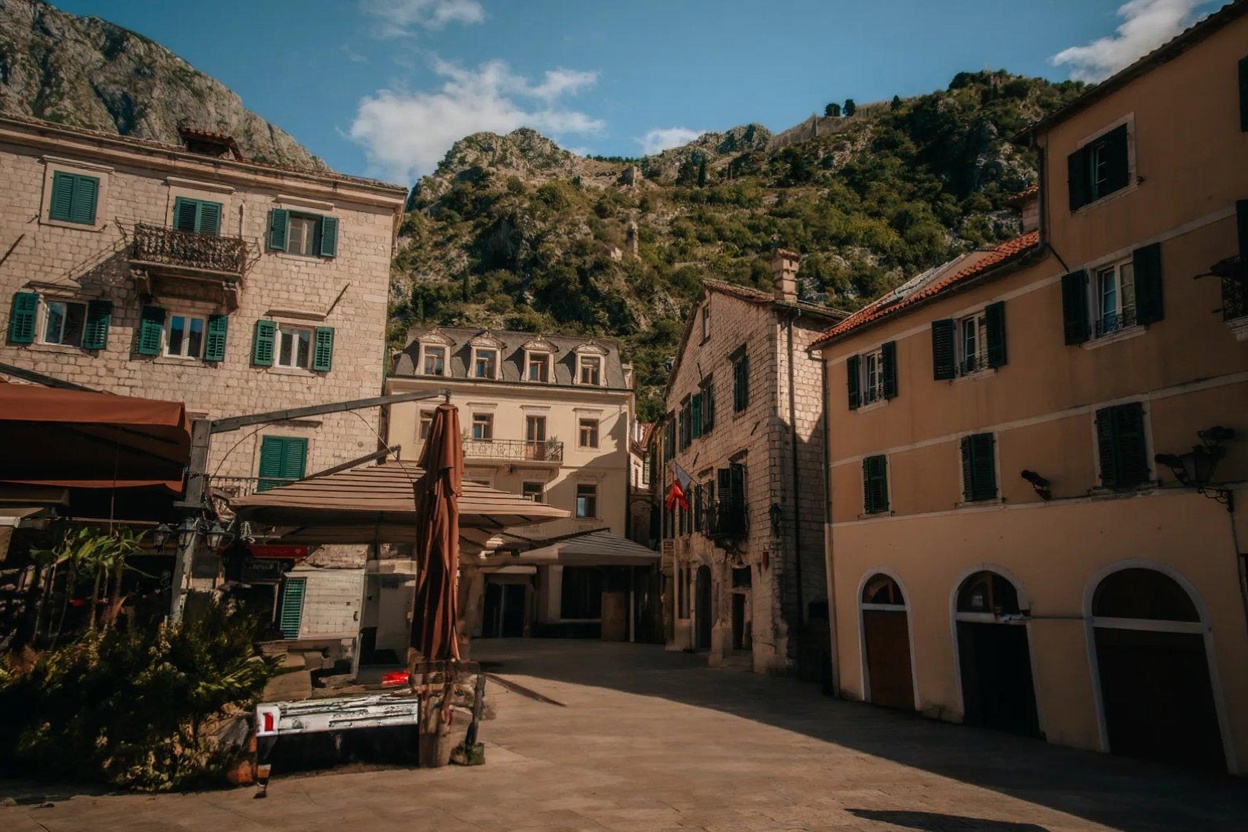
The crime that does exist is mostly organised — historically linked to Balkan smuggling networks and the occasional inter-clan dispute that doesn’t involve tourists in any meaningful way. You are not the target.
What tourists experience: petty theft in crowded areas, particularly Budva beach in July and August. It’s the same situation as the Barcelona seafront or the Rome metro — keep your phone in a front pocket and don’t leave things unattended on the beach.
✓Quick Answer
Montenegro is safe for tourists. US State Dept Level 1. Main practical risks are unlicensed taxis overcharging, Budva beach pickpockets in peak summer, and mountain road driving. Kotor Old Town is quieter and safer than most European city centres.
The Taxi Problem — and How to Avoid It
Here’s the issue that catches the most people: unlicensed taxis at the coast, particularly at Tivat Airport, Kotor, and Budva in summer.
The pattern is always the same. You arrive at the airport or the bus station. A man with a car but no visible signage offers a ride for a price that sounds reasonable but is three times the going rate. You accept because you’re tired and don’t know any better.
What to do instead:
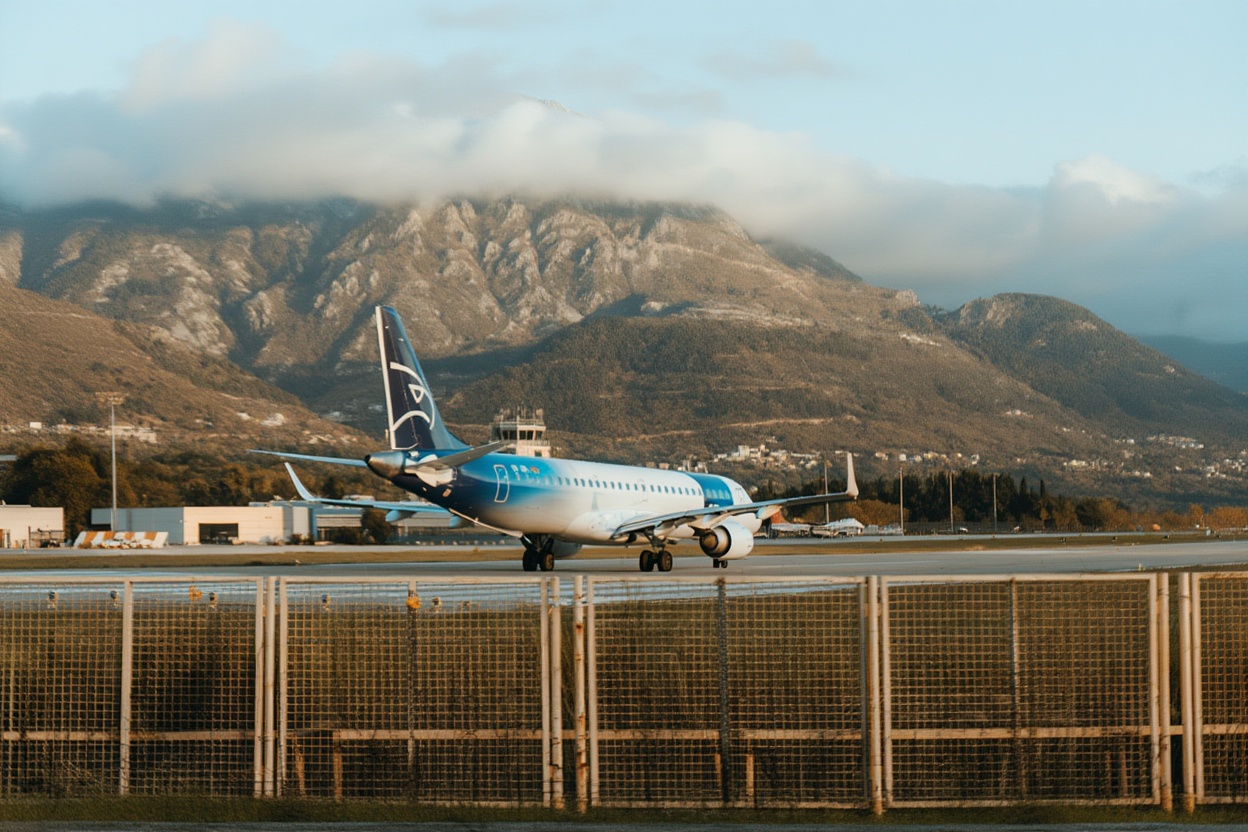
– At Tivat Airport: use the official taxi rank outside arrivals, not the touts inside. Licensed taxis from Tivat to Kotor should cost €15–20 (~£13–17). If someone’s asking €50, walk past.
– In Kotor and Budva: use the taxis with meters and signage. Ask the price before you get in. A typical Kotor–Perast return should be €15–20 (~£13–17). The taxi to the Kotor wall entrance is €3–5.
– The UK Foreign Travel Advice for Montenegro specifically mentions the taxi scam at airports. Heed it.
I took an unlicensed taxi from Dubrovnik to Kotor in my first week in Montenegro. Paid €80 for a journey that should have cost €40. Lesson learned. The correct answer is to agree the price before the bags go in the boot.
Petty Theft: Where and When
Montenegro’s petty theft problem is highly seasonal and highly localised.
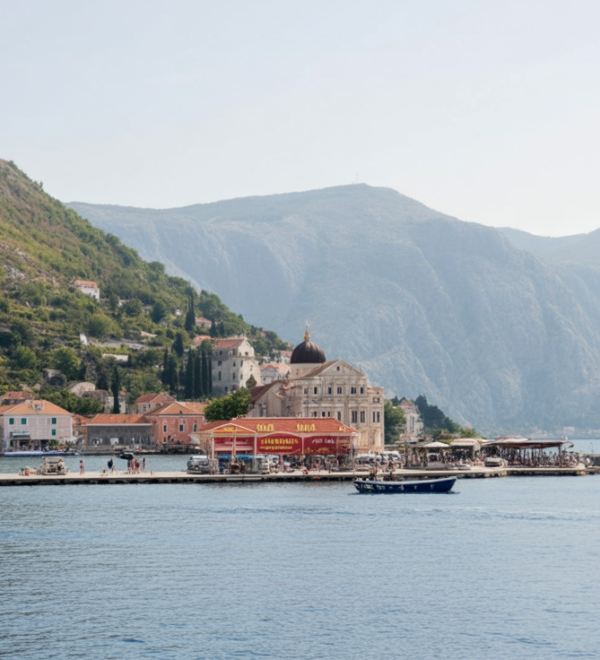
Kotor Old Town — almost no petty theft. The population inside the walls is roughly 400 people. Everyone knows everyone. Tourist pockets are not being picked on the stairs to the fortress.
Budva beach in July and August — different situation. This is a busy Mediterranean beach town in peak season. Leave your wallet in the accommodation, use a bum bag for essentials, and don’t leave your phone face-up on a towel while you swim.
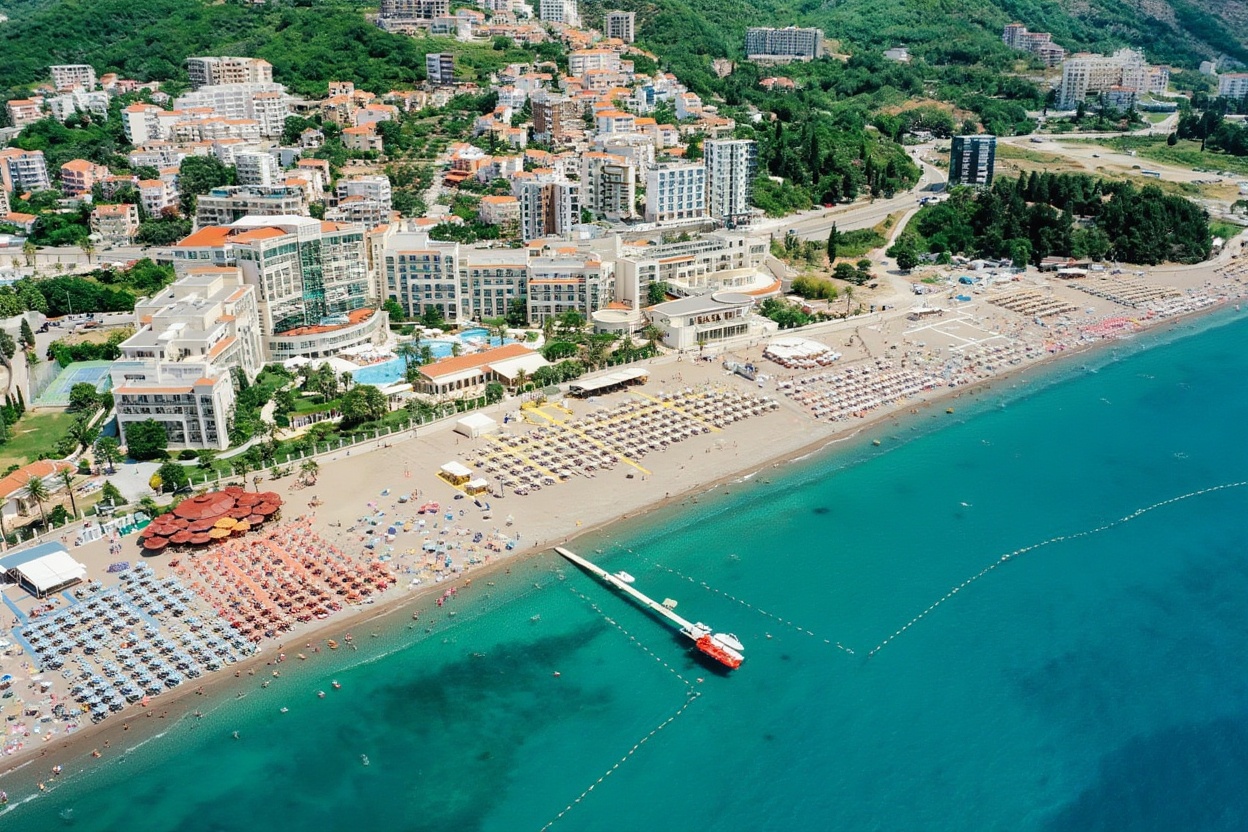
Budva Old Town at night — fine, just lively. The nightlife is real: bars open until 4am, groups of Serbians and Russians on holiday, general holiday atmosphere. Boisterous rather than dangerous.
Herceg Novi, Perast, Tivat — essentially no petty crime worth mentioning.
The rule of thumb: the more it looks like a resort, the more normal resort vigilance applies.
Driving in Montenegro
This is the safety issue I’d actually flag most prominently, because it catches British drivers who are accustomed to decent roads.
Montenegro has some extraordinary mountain driving. The road from Kotor up to Lovćen has 25 hairpin bends in 7km. The road into Durmitor is narrow with sheer drops. The Tara Canyon road is single-track in places. None of this is dangerous if you drive at the right speed and accept that overtaking isn’t always an option.
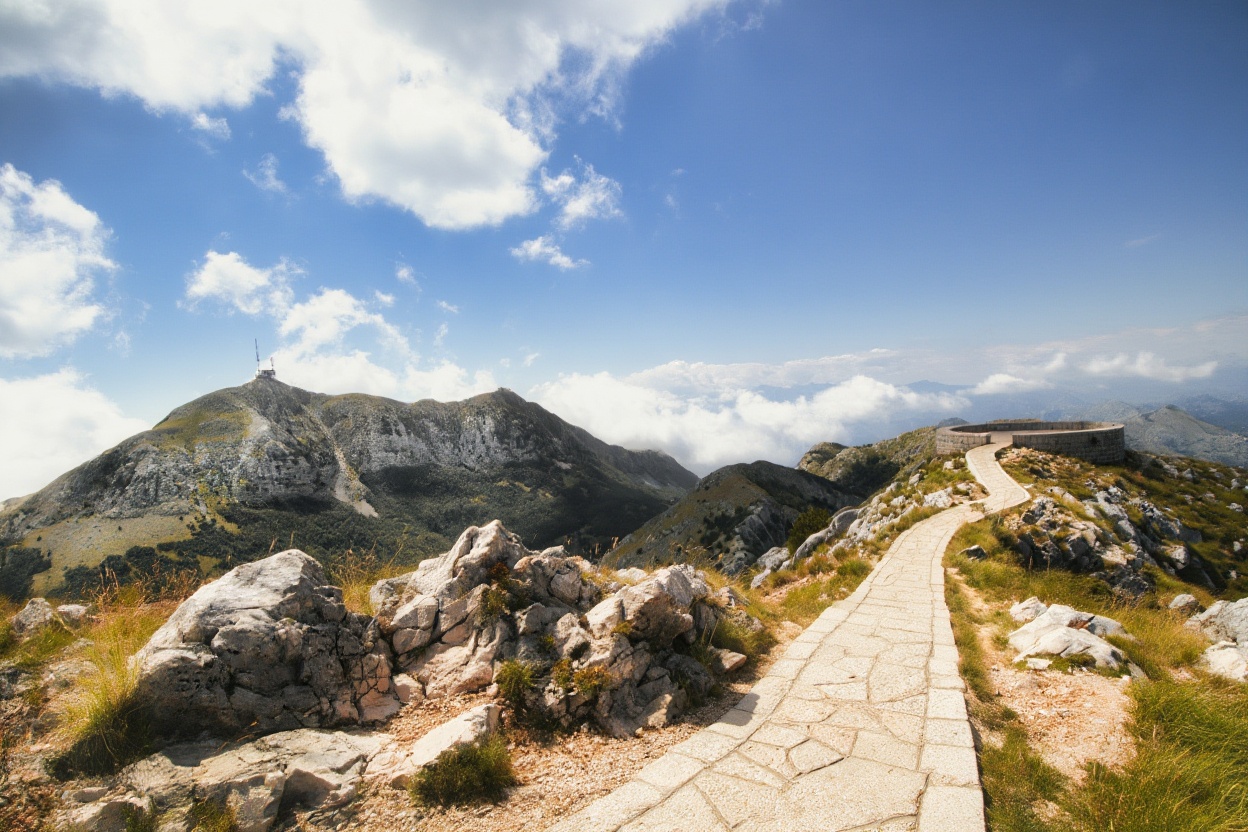
What actually causes problems: local drivers who know the roads and treat them accordingly. They are fast. They overtake confidently. If you are a foreign driver who is not used to mountain roads, you will find this stressful. The solution is to drive slowly, use pull-offs to let faster cars past, and not try to keep up.
Specific warnings:
– The Bay of Kotor coast road in July and August is heavily congested. Take the Verige car ferry (€5/car, every 30 minutes) — it cuts an hour off the journey and your blood pressure.
– No drink driving. Montenegro takes this seriously. Limit is 0.3 mg/ml (stricter than the UK’s 0.8).
– Mountain roads after rain can be slippery. After snow (October–April above 1000m) they can be impassable without chains or 4WD.
•TOM’S PICK
If you’re going to Durmitor and you’ve never driven mountain roads: go slowly, accept it takes longer than the map suggests, and stop at the viewpoints. It’s worth every minute. The road is part of the trip.
Solo Female Travel
Montenegro is, in my observation, a safe destination for solo female travellers. I have friends — women travelling alone — who have done the full circuit: Kotor, Budva, Herceg Novi, Durmitor, the coast to Albania. None have reported feeling unsafe.
Some caveats that apply as they do anywhere:
Coast in peak season: Budva and the beach towns have the usual southern European beach bar scene. Unwanted attention exists but isn’t aggressive. Having a clear “I’m fine, thanks” stance handles most of it.
Night buses and transfers: Book daytime routes if possible, use recognised bus companies (Autoprevoz, Montenegro Bus), and sit near the front.
Kotor and mountain towns: Comfortable and quiet. Kotor Old Town is genuinely one of the more tranquil places I’ve been in Europe for walking alone at night.
Montenegro is a socially conservative country in some respects — family-oriented, deeply religious — but this doesn’t translate into hostility towards foreigners. Montenegrins are hospitable to a fault.
Health and Medical
Montenegro has functional hospitals in Podgorica and Bar. In Kotor, the main medical facility is small — for anything serious, Podgorica (75km) or the hospital in Herceg Novi (20km) is the destination.
Practical points:
– Travel insurance is non-negotiable. EU EHIC/GHIC cards don’t apply here — Montenegro isn’t EU. Private treatment for anything serious will be expensive without cover.
– Water is generally safe to drink from taps in Kotor and most towns. In rural mountain areas, use bottled.
– Sun. The Montenegrin coast in summer is genuinely hot — 35°C+ in July. The wall climb in Kotor at noon is a good way to get heatstroke. Bring water, wear a hat, go before 9am or after 5pm.
– Swimming: The Adriatic sea is calm and clean. Tara River rafting involves real currents — wear the life jacket, listen to the guide, don’t be the tourist who ignores the safety briefing.
The Organised Crime Question
People sometimes ask about Montenegrin organised crime, having read something about Balkan criminal networks.
Here’s the honest version: yes, Montenegro has had (and to some extent continues to have) connections to the wider Balkan drug and smuggling networks. There have been gangland killings in Podgorica in recent years — inter-clan disputes over territory and business.
This has nothing whatsoever to do with tourists. The targets are people who are in the business. The risk to a British couple on holiday in Kotor is precisely zero.
The situation is comparable to visiting Naples or Palermo: there is organised crime, it operates in its own world, and the tourist visiting the cathedral is not a relevant actor in that world.
Natural Hazards Worth Knowing About
Montenegro sits in a seismically active zone — earthquakes happen, though major ones are infrequent. The 1979 earthquake near Bar caused significant damage. This isn’t a reason not to visit, but if you’re staying in old stone buildings (Kotor Old Town is entirely old stone), know the building exits.
Wildfires are the more immediate seasonal concern. Montenegro’s limestone hills and dry summers create fire conditions in July and August. In 2017 and again in 2021, fires came close to populated coastal areas. If you’re hiking in summer, check conditions and don’t light fires outside designated areas.
Winter driving above 1000m needs real preparation. The Durmitor region sees heavy snow from November through April. Roads can be closed without warning. If you’re visiting Žabljak in winter — and it’s worth it, it’s beautiful — check the roads, have chains or 4WD, and don’t assume the forecast is accurate.
Swimming beyond your depth. The Adriatic at the coast is generally calm. The Tara River is not. It runs at 4,000 cubic metres per second through the canyon — Class III–IV rapids on the main rafting section. This is well-managed by the operators, but it’s an actual river, not a theme park. Pay attention to the safety briefing.
My Honest Assessment
Montenegro is one of the easier European countries to visit safely. The violent crime rate is low. The infrastructure works. People are helpful when you’re lost. The food won’t make you ill (the fish is fresh and the hygiene in restaurants is generally fine).
The things to actually watch: taxis at airports, phone on the beach in Budva, mountain roads driven at appropriate speeds.
The natural hazards — earthquakes, fires, winter road conditions — are real but manageable with normal awareness. Check conditions, have insurance, don’t do the Tara River rafting section without a life jacket.
If you’ve been to Spain, Greece, or Croatia without incident, you’ll find Montenegro presents no additional challenge. It’s a small country that’s been working hard to become a normal European destination. The effort is showing.
Right. Questions in the comments. Go when the cruise ships aren’t there — September is excellent.
What to Do in an Emergency
Montenegro has functional emergency services, but the capacity is not equivalent to western Europe. Knowing what you’re working with before you need it is the sensible approach.
Emergency numbers:
– 112 — the EU-standard emergency number works in Montenegro. This connects to police, ambulance, and fire.
– 122 — police specifically
– 124 — ambulance specifically
– 123 — fire service
Hospitals: The main hospitals are in Podgorica (Clinical Centre of Montenegro, Ljubljanska bb) and Bar. In Kotor, the local health centre (Dom Zdravlja Kotor, near the old town) handles minor emergencies but for anything serious — a broken bone from mountain hiking, a heart issue, anything requiring surgery — Podgorica (75km, roughly 1 hour) is the destination. Herceg Novi has a hospital 20km from Kotor that handles more than the local centre.
Travel insurance and private care: Montenegro is not in the EU. Your EHIC or GHIC card does not provide coverage here. Without travel insurance, a serious medical issue will be expensive. The Slovenian Adriatic coastline and Croatia are both within 2–3 hours — medical evacuation to a higher-capacity facility in Dubrovnik or beyond is a real possibility for serious cases. Make sure your insurance policy covers medical evacuation.
UK Embassy: The British Embassy for Montenegro is in Podgorica — 54 Svetlane Kane Radević Street, Podgorica. +382 20 618 010. The embassy offers emergency passport assistance and consular support for serious incidents. The US Embassy is also in Podgorica — 2 Dzona Dzeksona, +382 20 410 500.
Practical advice: Screenshot these numbers before you go. Download offline maps of the areas you’re visiting — phone signal in the Durmitor highlands and on some mountain roads is patchy. Tell someone your hiking plan if you’re going off established trails.
Border Crossings: What to Expect at Montenegro’s Borders
Montenegro shares borders with Croatia, Bosnia and Herzegovina, Serbia, Kosovo, and Albania. The most used crossings for tourists are Croatia (Debeli Brijeg, for travellers from Dubrovnik) and Albania (Sukobin, for those continuing south from Ulcinj). Here’s what each one actually involves.
Croatia–Montenegro (Debeli Brijeg): The main crossing on the coastal road, used by everyone travelling between Dubrovnik and Kotor or Herceg Novi. Montenegro is not in Schengen or the EU, so this is a full border with passport control — you exit Croatia, enter Montenegro, two separate queues. On a quiet weekday morning, 10–20 minutes total. On a Saturday in August: 45–90 minutes. The crossing is entirely standard — passport checked, vehicle documents verified for hire cars, nothing unusual. British, EU, American, Australian, and Canadian citizens enter Montenegro visa-free for up to 90 days.
Bosnia–Montenegro (Šćepan Polje): A remote mountain crossing used primarily by people doing the Tara Canyon rafting circuit or travelling between Sarajevo and Montenegro’s coast. Light traffic most of the year. Both countries are outside Schengen; crossing requires a valid passport. The road on the Bosnian side is scenic and increasingly well-paved.
Albania–Montenegro (Sukobin): The coastal crossing 25km south of Ulcinj, the entry point for travellers continuing into northern Albania toward Shkodër. Open to passport holders; biometric passport required (Albania has upgraded its border scanning). The crossing is quiet by European standards — rarely more than a 20-minute wait. The road on the Albanian side to Shkodër is paved and in reasonable condition (improved significantly since 2020). If you’re continuing to Tirana from Ulcinj, this crossing plus the Shkodër–Tirana road is the logical route.
Serbia–Montenegro (Dobrakovo): The main crossing for travellers from Belgrade or arriving by bus from Serbia. Used primarily by Serbians on summer holiday and by people doing the Balkans overland route. Standard crossing, passport control, no unusual requirements.
What to bring at all crossings: a valid passport (not just an ID card — Montenegro requires full passport for most non-EU nationalities); hire car documents if driving a rented vehicle; and confirmation that your hire insurance covers Montenegro if you’re crossing from Croatia. Most major rental companies include Montenegro; confirm before you pick up the car, not at the border.
Practical Safety Checklist for Montenegro
Here’s the condensed version — what to actually do before and during the trip.
Before you go:
- Buy travel insurance that covers medical evacuation. Montenegro is not in the EU. Your EHIC/GHIC does not apply. A helicopter evacuation from a Durmitor mountain accident to a Podgorica hospital is expensive without cover. This is the single most important safety measure.
- Screenshot emergency numbers: 112 (all emergencies), 122 (police), 124 (ambulance). Save them offline — signal is patchy above 1,500m in Durmitor.
- Download offline maps before leaving the coast. Google Maps offline, Maps.me, or Komoot for hiking. Trailheads in Durmitor don’t have data.
- Check the fire season if visiting July–August. Montenegro’s limestone hills dry out in summer. Check for fire warnings in the area you’re visiting, particularly around Kotor, Herceg Novi, and the northern coast.
On arrival:
- At Tivat Airport: walk past the touts in arrivals and use the official taxi rank outside. Legitimate fare to Kotor: €15–20. If offered €40–50, decline and walk to the rank.
- Driving: set the satnav to avoid the coastal road in July–August during peak hours (10am–6pm). The Verige ferry is faster. The mountain roads reward patience — pull over for faster local traffic, particularly on the Kotor–Lovćen switchbacks.
- Swimming: the Adriatic coast is generally calm. The Tara River is not. Follow the guide’s instructions on the rafting trip and wear the life jacket correctly, not just draped over your shoulders.
In Budva and coastal resorts (peak season):
- Phone in a front pocket or bum bag on the beach, not face-up on a towel
- Don’t leave bags unattended on sunbeds while swimming
- Don’t accept rides from men who approach you in arrivals or outside bars — use the taxi rank or a verifiable taxi number
LGBTQ+ Travellers in Montenegro
Montenegro is a complicated destination for LGBTQ+ travellers, and honest is better than vague.
The legal situation: same-sex relationships are legal in Montenegro and have been decriminalised since 1977. Montenegro introduced registered same-sex partnerships in 2020 — a significant step for a Balkan country. There is formal anti-discrimination legislation. The legal framework is more progressive than most of the western Balkans.
The social reality: Montenegro is a deeply conservative country. The Orthodox Church has significant cultural influence. Gay Pride events in Podgorica have been held since 2013 but have faced protests and required significant police presence. In Kotor and the coastal towns, the attitude is more relaxed — international tourism has had the usual effect, and the expat community is mixed. In rural areas and mountain towns, attitudes are more conservative and public displays of affection between same-sex couples are likely to attract unwanted attention.
Practical assessment: Gay and lesbian travellers visit Montenegro regularly without incident. The key is reading the room, particularly outside the coastal tourist areas. Kotor’s international character makes it more comfortable than most of the country. Budva has a lively summer scene that’s broadly inclusive. Podgorica is variable. Small mountain villages — use your judgment.
The country is moving in the right direction legally and, slowly, socially. It’s not Amsterdam. It’s more relaxed than Bulgaria or Serbia. Travel with normal awareness and you’ll be fine on the tourist circuit.
•Quick Note
If you’re travelling to Montenegro as an LGBTQ+ traveller, the UK FCDO travel page has a specific note on local attitudes. Worth reading the current version before you go, as the situation continues to evolve.
Drug Laws and Night Out Safety
Montenegro takes drug offences seriously. Possession of any controlled substance — including cannabis — is a criminal offence. There is no tolerance policy, no grey area, and the Budva summer party scene does not change the legal situation.
The specific risk: Budva and Herceg Novi in high summer have the usual Adriatic party scene — beach clubs, bars open until dawn, the general summer festival atmosphere. Drugs circulate in these environments. Getting caught with them in Montenegro means criminal charges, potential detention, and a consular process that is not fun. This is not a theoretical risk — there have been cases involving foreign nationals.
Night out basics:
– Budva bars and clubs are generally safe. The crowd is mostly Serbian and Russian tourists on summer holiday — boisterous rather than threatening.
– Kotor has a quieter bar scene centred around the old town squares. Much more civilised.
– Don’t leave your drink unattended in busy clubs. This applies everywhere.
– The Verige ferry stops running at midnight — if you’re on the wrong side of the bay and want to get back to Kotor, you’re going around the coast by car. Know your route back before midnight.
Montenegro’s legal drinking age is 18. The drink-drive limit of 0.3 mg/ml (lower than the UK’s 0.8) is enforced with breathalyser checks, particularly on the coastal road in summer. If you’re driving, you’re sober or you’re not driving.
- Is Montenegro safe for tourists in 2026?
- Yes. The US State Department rates Montenegro Level 1 — Exercise Normal Precautions, the same rating as France and Germany. Violent crime targeting tourists is extremely rare. The main practical concerns are unlicensed taxis overcharging at airports, petty theft in busy beach areas of Budva in peak summer, and challenging mountain road driving. Overall it’s one of the safer Mediterranean destinations.
- Is Kotor safe at night?
- Kotor Old Town is very safe at night — quieter and calmer than most European city centres. The population inside the walls is small, the streets are lit, and there’s no real street crime. Bars close at 1–2am in shoulder season, later in summer, and walking home is not a concern. Budva is livelier and louder at night but still safe — treat it like any busy beach resort.
- Is Montenegro safe for solo female travellers?
- Generally yes. Solo female travellers do the full Montenegro circuit regularly without significant issues. Normal awareness applies in busy coastal resort areas in peak season. Kotor Old Town and the mountain towns (Žabljak, Herceg Novi) are very comfortable for solo travel. Take daytime transport where possible and use established taxi companies. Travel insurance is essential.
- What are the main scams in Montenegro?
- The main one is unlicensed taxis, particularly at Tivat Airport and Budva. The fix is simple: use the official taxi rank, agree the price before bags go in the boot, and expect €15–20 from Tivat Airport to Kotor. Beach vendors in Budva sometimes use aggressive pricing tactics — always confirm prices before consuming anything. These are manageable rather than serious.
- Do I need travel insurance for Montenegro?
- Yes — and this is genuinely important. Montenegro is not in the EU, which means your European Health Insurance Card (EHIC) or Global Health Insurance Card (GHIC) does not apply. Medical treatment without insurance can be expensive. Buy comprehensive travel insurance before you go. This is the single most important practical safety measure for Montenegro.
- Is Montenegro safe to drive in?
- Yes, but it requires adjustment. Mountain roads have sharp bends, sheer drops, and local drivers who know them well and drive fast. The Kotor–Lovćen road (25 hairpin bends) and the roads into Durmitor are beautiful but demanding. Drive slowly, use pull-offs to let faster cars past, and take the Verige ferry across the Bay of Kotor rather than the coast road in peak season. The drink-drive limit is 0.3 mg/ml, stricter than the UK.