Last updated: June 2026 — prices and logistics verified June 2026.
I’ve been up to Durmitor three times since moving to Kotor. Twice in summer, once in October when the first snow had hit the peaks. Each time I’ve sent people who came to Montenegro “just for the coast” and didn’t know this place existed. Every single one of them has said the same thing: they should have booked three nights instead of two.
Why Durmitor Gets Missed (And Why It Shouldn’t)
Durmitor gets missed because most people flying into Tivat build their Montenegro trip around Kotor, Budva, and maybe Perast. The coast is magnificent. It’s also only part of the country. Montenegro is 60km coast-to-mountain — you can be in Kotor at breakfast and in a different climate zone entirely by early afternoon.
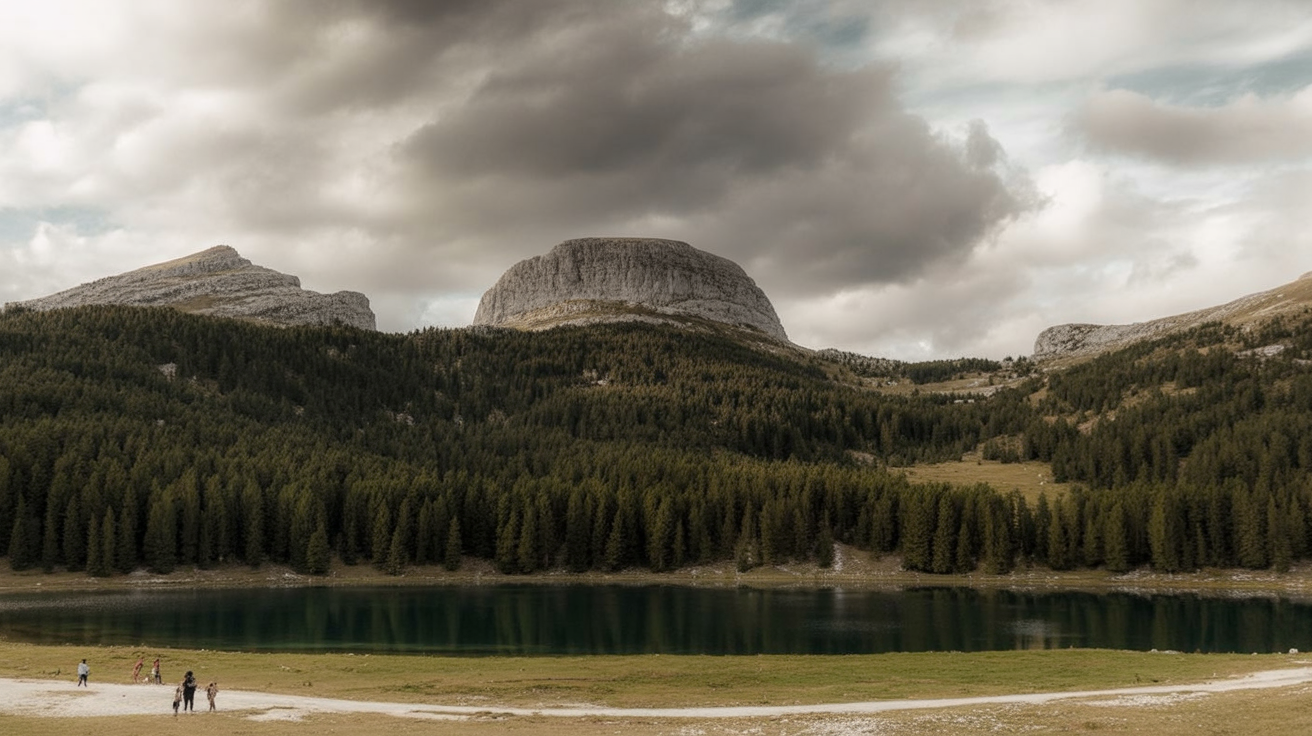
The reason more people don’t go: the bus journey from the coast is long, the drive looks complicated on a map (it isn’t), and the standard Montenegro travel writing focuses on the Adriatic. That’s the whole explanation. The mountains are magnificent and accessible; they just require a decision to leave the coast for a day or two.
Getting to Durmitor and Žabljak
Žabljak (say: ZAB-lyak) is the town at the entrance to Durmitor National Park — altitude 1,456m, population around 3,000, the highest town in the western Balkans. Everything in Durmitor connects through here.
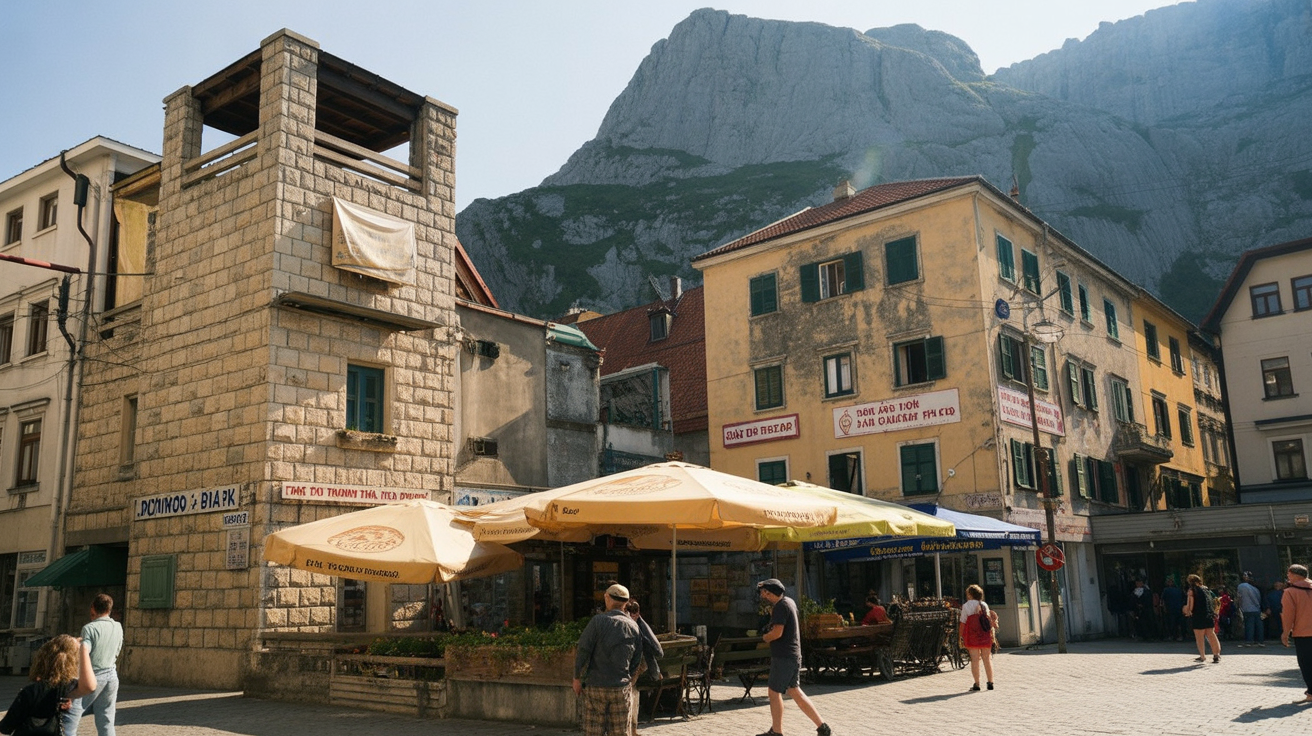
By car from Kotor or Tivat: 2.5–3 hours, about 140km. The road through Nikšić is the standard route — well-paved, mountain serpentines on the upper section, perfectly manageable in a regular car. A regular saloon handles it fine; you don’t need a 4WD for the main road to Žabljak. The serpentine sections reward patience rather than speed.
By car from Podgorica: 2–2.5 hours, about 100km. Faster approach via the E65 then north.
By bus from Podgorica: 4 buses daily, approximately €10–12 per person each way, 2.5–3 hours. Book in advance — the buses fill, particularly in summer. Do not attempt Durmitor as a day trip from the coast by bus. The bus from Kotor to Podgorica takes 2 hours, then Podgorica to Žabljak another 2.5–3 hours. You’d spend 6+ hours on buses and have perhaps 3 hours in the park. Drive, or stay overnight.
•TOM’S HONEST TAKE
I drove up from Kotor on a Wednesday in September and had the Black Lake to myself for the first 45 minutes of the morning. The same lake in August has coach parties arriving at 9am. If you’re driving, midweek is significantly better. If you can only do a weekend, arrive Friday evening and do the lake first thing Saturday.
Durmitor National Park: Entry and What’s Included
Entry to Durmitor National Park costs €5 per person per day in summer (June through September), and €3 per person per day October through May. Parking is an additional €1–2 per day at the main car parks. Pay at the booth at the park entrance — cash is fine, card is increasingly accepted.
The entry fee covers the park itself — trails, the Black Lake, the viewpoints. Rafting, guided tours, and activities are booked and paid separately through local operators in Žabljak.
The Black Lake: What the Photos Don’t Tell You
The Black Lake (Crno Jezero) is the iconic Durmitor image — dark water, the Meded peak reflected in the surface, forest coming right down to the shore. It’s about 3km from Žabljak’s main square and reachable in 30 minutes on foot or 5 minutes by car.
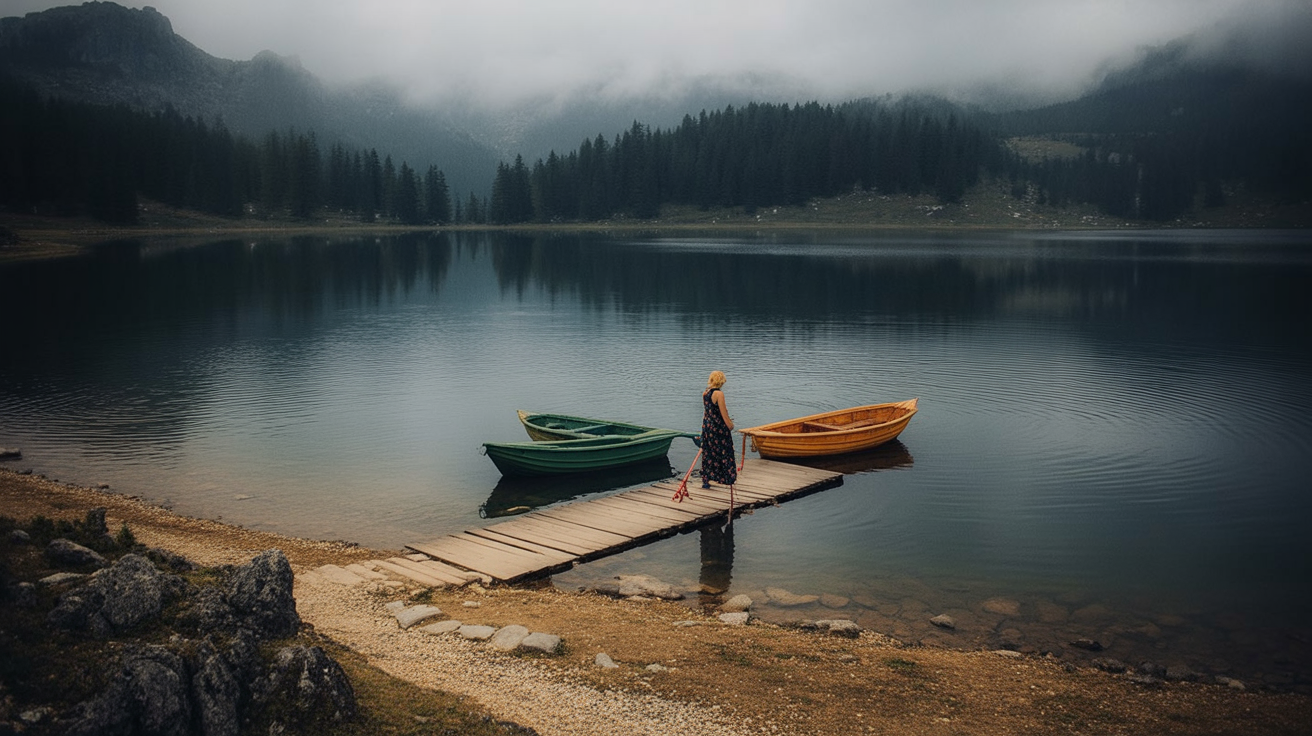
The walk around the lake takes about 1.5–2 hours at a comfortable pace. Flat trail, good condition, no scrambling. The lake is actually two connected lakes — Great Lake (Veliko Jezero) and Small Lake (Malo Jezero) — joined by a channel. The Great Lake is the photogenic one; the Small Lake is quieter and gets fewer people because it requires walking the full circuit.
The light on the lake is best in the morning before 9am — the peaks cast their reflection most clearly and the tour groups haven’t arrived. In summer, by 10am there are coach parties at the main viewpoint.
Swimming in the Black Lake: it’s cold (typically 15–18°C in midsummer), the water is clear, and local people swim here. It’s not officially a designated swimming spot. I’ve seen people swimming. Use your judgment.
The pine resin smell in the forest around the lake — particularly after rain — is the sensory detail that stays with people. It’s not subtle. It’s the smell of somewhere that has never been a town, and it’s the contrast with the coast 3 hours away that hits you.
Tara Canyon: The Rafting and the Viewpoint
The Tara Canyon is the largest canyon in Europe — 1,300 metres deep in places, 82km long, the river running through it the cleanest in the Balkans. The view from the canyon rim near Žabljak is free and accessible by car. The rafting is not free, but it is the thing most people name when they describe what Durmitor did to them.
Tara Canyon rafting: half-day trips run from approximately €40–60 per person depending on the operator and season. Most trips include pickup from Žabljak and run 18km of the most dramatic section of the canyon. Full-day trips with accommodation run €100+. Book through operators in Žabljak town square — there are four or five established ones, and they’re all broadly comparable. The Hopping Feet guide (one of the better Durmitor blogs) recommends booking directly in Žabljak rather than through online aggregators, which typically add 20–30% for the same trip.
The water level matters: spring and early summer (May–June) gives the highest water and the most dramatic rapids. Late summer (August–September) the water is lower and calmer — still very worthwhile, just different character. Autumn (September–October) is when the canyon walls turn red-gold with the season change and the rafting is often the best combination of conditions and colour.
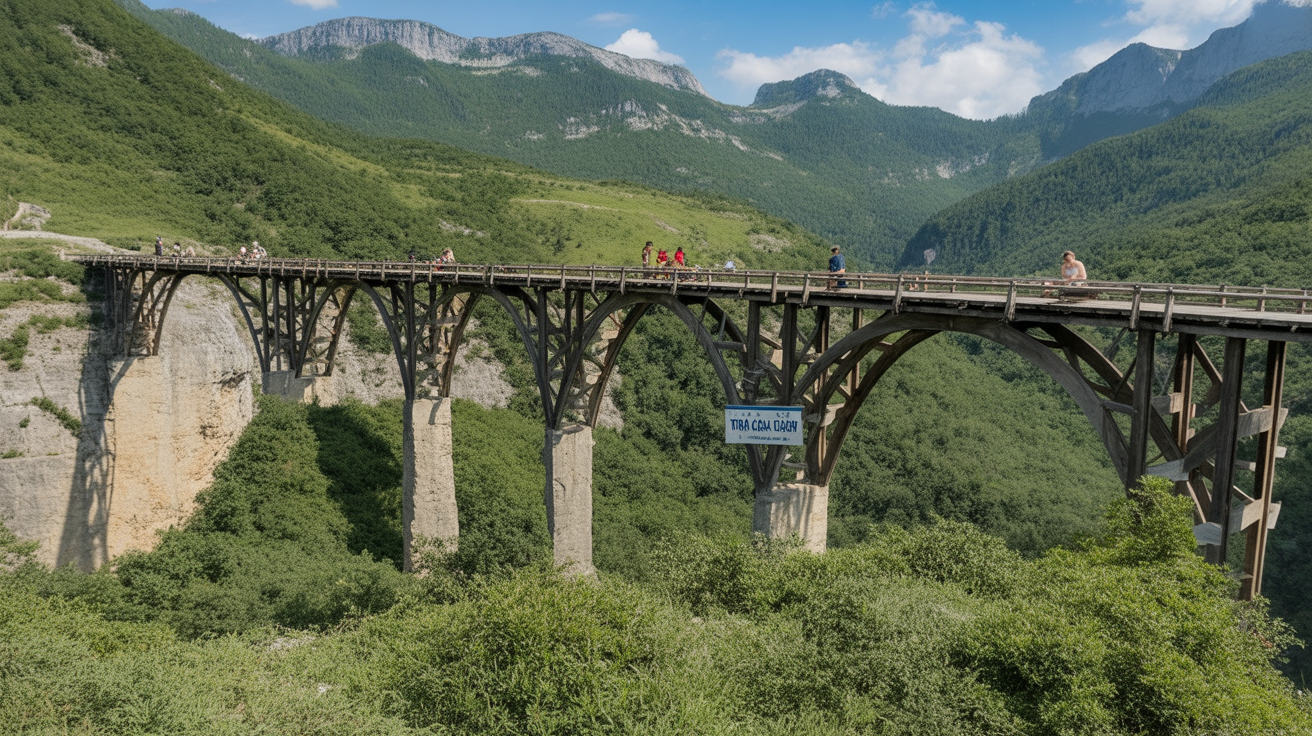
Đurđevića Tara Bridge: The most photographed point of the canyon — a five-arch concrete bridge, 170m above the river, built in 1940. It’s 20km from Žabljak on the road to the canyon. The zip line across the canyon (€10–25 depending on operator) runs from near the bridge. The view from the bridge is spectacular and requires no entry fee — it’s a road bridge, you walk across it. Rafting operators pass under it.
Hiking in Durmitor: What’s Realistic
Durmitor has 48 mountain peaks above 2,000m and an extensive network of trails. The range of what’s available, by difficulty:
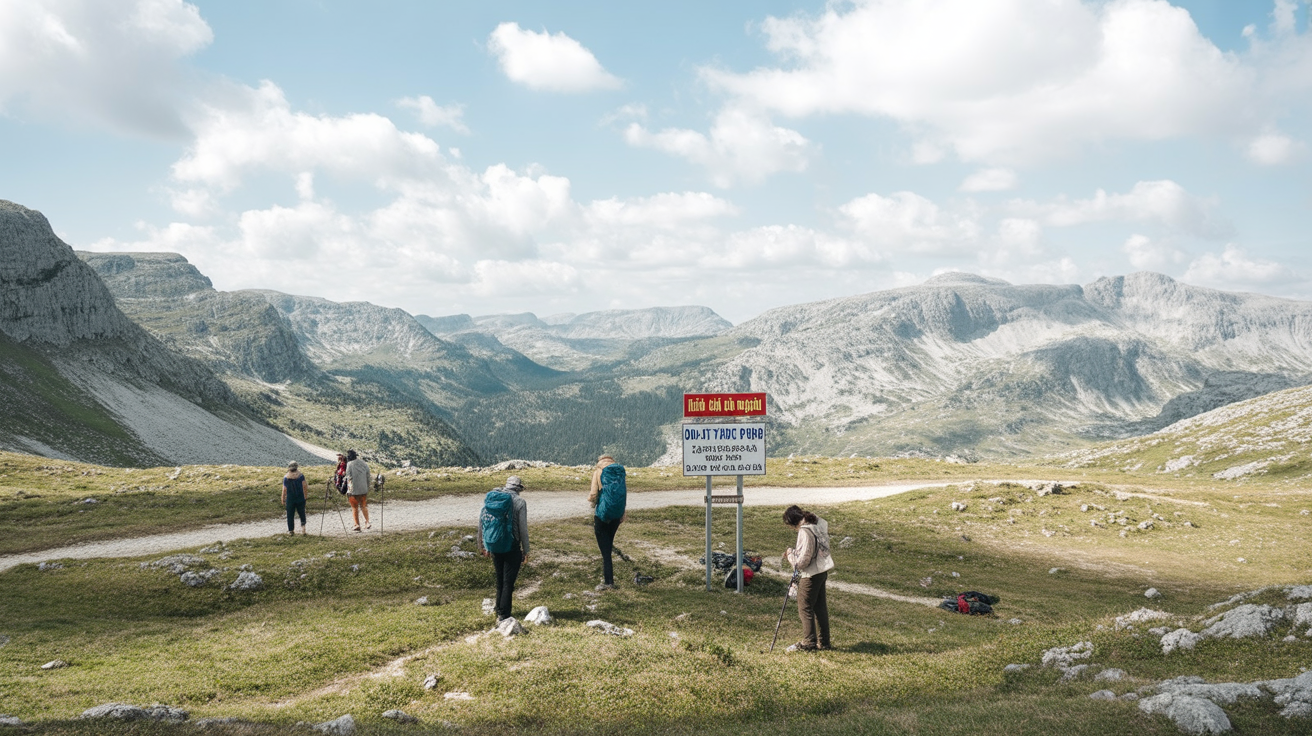
Easy (no fitness required): Black Lake circuit (2 hours, flat, as described above). Skrčko Lake trail from Žabljak (about 3 hours return, gentle gradient).
Moderate (good hiking fitness): Šljeme Peak via Žabljak (4–5 hours return, 700m elevation gain, good trail markers, panoramic view of the whole national park including the canyon). Suitable for regular hikers in good footwear.
Demanding: Bobotov Kuk — the highest peak at 2,523m. A full day’s hiking, 8–10 hours return from Žabljak. Technical sections above the snowline in spring. Requires proper mountain boots, a map, and ideally a guide if you’re not an experienced mountain hiker. Not for casual day-trippers.
Trail markers in Durmitor are generally reliable but not universal — the Black Lake circuit is well-marked; the higher trails benefit from GPS or a downloaded offline map. Komoot has good coverage for the park.
Where to Stay in Žabljak
Žabljak is a proper mountain town, not a tourist construct. Guesthouses from €25–40/night for a private room with breakfast. Mid-range hotels and apartments €50–80/night. Luxury lodges and chalets from €140–250/night.
The guesthouses are the most characterful option — Durmitorske Zore is consistently recommended in the hiking community. Apartmani Božana Vojinović and Guest House Durmitor Paradise are named repeatedly in traveller reports. None of these are glamorous. All are clean, warm, and run by people who know the park well enough to give you useful hiking advice over breakfast.
•TOM’S PICK
Stay in town rather than the resorts on the outskirts. You want to be able to walk to the trailhead for the Black Lake, have coffee in the town square before the day starts, and eat dinner without getting back in the car. Žabljak town has all of this. The outlying resorts have pools. Pools are not the point of Durmitor.
Booking ahead: July and August are fully booked 4–6 weeks out in anything below €80/night. May, June, September, and October have much better availability. I’ve seen people arrive in Žabljak on a Saturday in August without a booking and spend two hours finding a room. Book ahead. The town is not big.
Eating and Drinking in Žabljak
Žabljak has a small but functional food scene. The staples: grilled meat (the lamb is good here — mountain-grazed, noticeably different from the coast), fresh trout from the rivers, and the Montenegrin standard of njeguški steak with a side of roast peppers and kajmak (clotted cream cheese).
Coffee from €1.40. Brunch around €5. A full dinner with drinks at a mid-tier restaurant runs €15–25 per person. Significantly cheaper than Kotor or Budva for the same quality.
Plantaže Vranac — the Montenegrin red wine — is available everywhere and correct for a mountain evening. If you haven’t tried it on the coast, try it here. It’s a dark, plum-forward wine that suits exactly the kind of food Žabljak serves.
Durmitor in Winter: The Ski Season
Durmitor is also a ski resort. The slopes above Žabljak are modest by Alpine standards but completely viable — three main ski runs, equipment rental available in town, ski passes from approximately €20–25/day. The season runs roughly December to April depending on snowfall. If you’re in Montenegro in winter and want something beyond Kotor in January fog, Žabljak in snow is genuinely excellent.
The road from the coast stays open in winter, but the mountain sections can be icy and snow-covered in January and February. Winter tyres or chains are advisable. Check conditions before driving up.
The ski area is compact — a main piste from the summit at roughly 2,000m back to the Žabljak plateau, a couple of shorter runs, a drag lift system that has been upgraded in recent years. For experienced Alpine skiers, this is not challenging terrain and won’t fill a week. For beginners, weekend skiers, or people who want the mountain atmosphere without the crowds of a major ski resort, it’s ideal. Ski school operates through the season — instruction in English is available through the Žabljak ski school.
The Black Lake in winter deserves a separate mention. When the lake surface freezes — usually in January and February — the landscape becomes something completely different from the summer version. The frozen lake, the snow-covered black pines, the Meded peak reflected in the ice: this is the image of Durmitor that doesn’t appear on most travel sites. You can walk on the frozen lake when the ice is thick enough; ask at the park ranger station before attempting it.
Winter accommodation in Žabljak: more limited than summer but functional. The larger guesthouses stay open year-round for the ski season. Prices drop slightly from the summer peak — €25–35/night for a private room including breakfast is typical. Some guesthouses offer ski storage and boot drying rooms. Book a week ahead for the Christmas–New Year period and February school holidays (peak domestic ski season).
Durmitor’s Wildlife: What You Might See
Durmitor National Park covers 390 square kilometres of protected habitat. The wildlife is genuinely notable for a European mountain park.
Brown bears: Present in the park, rarely seen by day visitors. The bear population in Montenegro’s northern mountains is one of the healthier ones in the western Balkans. Evidence — tracks, digging — is more common than sightings. In autumn, bears feed heavily before hibernation; the orchards and berry areas below the treeline show the evidence. If you’re hiking at dawn or dusk, particularly in autumn, awareness is appropriate — bears in Montenegro are not aggressive toward humans but are genuinely wild.
Grey wolves: Also present. Pack sightings are rare but they occur. Local shepherds in the Durmitor area lose livestock to wolves periodically. The presence of large predators — bear and wolf — is part of what distinguishes Durmitor from the managed parks of Western Europe.
Golden eagles: Visible regularly from the higher trails, particularly on Šljeme and the ridgelines above the Black Lake. The thermal currents above the canyon rim carry them effortlessly. Binoculars are worth the bag weight.
Chamois: The sure-footed mountain goat of the high Durmitor peaks. Seen frequently on the rocky upper sections of the peak trails — most reliably on the Bobotov Kuk approach above 2,000m. They’re accustomed to the occasional hiker and don’t flee immediately.
Trout: The Tara River and the Black Lake tributaries hold brown trout in clean, cold water. Fishing is permitted with a park licence — available from the ranger station at €10–15/day. The trout at Žabljak restaurants is often from the Tara system; asking “is this from the river?” and getting a straight yes is one of the small pleasures of the mountain food scene.
The pine forest around the Black Lake holds a specific soundscape in early morning — woodpeckers, crossbills, the occasional nutcracker in the high pines. For birdwatchers, the park is underrated. The Durmitor area isn’t on the European birding circuit in the way Plitvice or Neretva delta are, which means you’ll have the trails to yourself.
FAQ: Durmitor National Park
- How do I get to Durmitor National Park from Kotor?
- By car: 2.5–3 hours, 140km, via Nikšić. A regular saloon car handles the road fine — no 4WD needed. By bus: there’s no direct bus from Kotor to Žabljak. You’d go Kotor → Podgorica (2 hours, €5–8) then Podgorica → Žabljak (2.5–3 hours, €10–12). Do not attempt this as a day trip — the combined journey time is too long. Drive or stay overnight in Žabljak.
- How much does Durmitor National Park cost to enter?
- €5 per person per day June to September; €3 per person per day October to May. Parking is an additional €1–2/day. Rafting (Tara Canyon), guided hikes, zip lines, and bike rentals are all paid separately through local operators in Žabljak. Entry fee covers the park trails and lakes including the Black Lake.
- What is Durmitor National Park best known for?
- The Black Lake (Crno Jezero), Tara Canyon rafting (the deepest canyon in Europe), and the hiking peaks above Žabljak including Bobotov Kuk at 2,523m. In winter, it’s also a ski resort. The combination of glacial lakes, canyon rafting, and mountain hiking makes it the most complete outdoor destination in Montenegro.
- How many days do you need in Durmitor?
- Two nights minimum. Day 1: drive up, afternoon Black Lake walk, settle in Žabljak. Day 2: full day activity — Tara Canyon rafting or a serious hike. Day 3 (optional): second hike or the Đurđevića Tara Bridge and canyon viewpoint before driving back. One night is possible for the Black Lake only; anything more requires at least two nights in Žabljak.
- Is Tara Canyon rafting safe?
- Yes, for the standard half-day routes. The Tara rapids in the main tourist section are graded II–IV depending on water levels and season. No experience necessary for the standard trips — operators provide equipment and guides. The full canyon expedition (multiple days) is more demanding. Book through established operators in Žabljak rather than online intermediaries to avoid the markup.
- Can I visit Durmitor as a day trip from the coast?
- By car, technically yes — drive up in the morning, Black Lake walk, lunch in Žabljak, drive back. 6–7 hours driving plus activity time makes it a long day. Not recommended for bus travellers (the transit time is too long to leave meaningful time in the park). If you’re driving, a day trip is feasible but two nights is the better choice — the park rewards slower travel.
The Bottom Line on Durmitor
A Practical Two-Night Durmitor Itinerary
The structure that works for most people:
Day 1 (Arrival): Drive up from the coast, arrive Žabljak by early afternoon. Check in, coffee in the main square, and walk the Black Lake circuit before dinner. The light on the lake in the late afternoon is the best it gets. Dinner in town — try the lamb if it’s on the menu. Early to bed; the mountains make sleeping easy.
Day 2 (Full activity day): Choose your main event — Tara Canyon rafting or a serious hike. Rafting: operators in the main square, morning departures, back by early afternoon. The half-day trip covers the best rapids section and the canyon walls at their most dramatic. Hiking: Šljeme Peak is the best panoramic view accessible without technical equipment — 4–5 hours return, 700m elevation gain, the whole national park visible from the summit including the canyon to the north and the Black Lake below. Afternoon free, dinner, another early night.
Day 3 (Departure): Đurđevića Tara Bridge — 20km from Žabljak on the road north — is worth 30 minutes on the way out. Walk across it, look down at the river 170m below, and the canyon stretches either side. Then back to the coast or onward to Podgorica. The descent from Žabljak back toward Nikšić is one of the better mountain drives in the Balkans — take it at a pace that lets you stop for the views.
Durmitor vs Other Balkans Mountain Destinations
The question I get from people planning Balkans trips: how does Durmitor compare to Plitvice (Croatia), Kopacki Rit, or the Albanian Alps? Honest answer by category:
Vs Plitvice Lakes (Croatia): Plitvice is more famous and genuinely extraordinary. It also has 10,000 visitors per day in summer, boardwalk queues, and a ticketing system that requires booking weeks ahead. Durmitor has the Tara Canyon, which is deeper and more dramatic than anything at Plitvice, and you can actually be alone on a trail. Different experience entirely — Plitvice is a spectacle, Durmitor is a place to spend time.
Vs Albanian Alps (Valbona, Theth): The Albanian Alps have higher drama and more raw remoteness. They also require more planning, rougher roads, and fewer facilities. Durmitor is the easier mountain introduction to the region — infrastructure works, guesthouses are reliable, the roads are good. If you want the Albanian experience, it’s a different trip; Durmitor is not a consolation prize, it’s just more accessible.
The Tara Canyon specifically: There is nothing in the western Balkans that competes with the Tara Canyon for scale. The Piva Canyon (also in Montenegro) is comparable but less accessible. If you’re doing one canyon rafting trip in the Balkans, Tara is the correct answer.
One practical note that comes up every time I send someone to Durmitor: mobile phone signal in the park is patchy above 1,500m. Download your offline maps — Google Maps or Komoot, either works — before you leave Žabljak town. The trailheads for the higher routes don’t have data. This is also why guesthouse owners in Žabljak are a better source of current trail conditions than any website: they know what the upper paths look like this week, not what they looked like when someone wrote a blog post in 2022. Ask at check-in. They know.
Durmitor is the part of Montenegro that people who only visit the coast regret missing. The Black Lake, the Tara Canyon, the mountain air at 1,500m after a week on the Adriatic — it’s a completely different country in the same country.
The practical barrier is low: 2.5 hours from Kotor by car, a genuine guesthouse scene in Žabljak, hiking trails ranging from a flat lake circuit to a full peak day, and rafting that justifies the drive on its own. Two nights. Plan it properly. The coast will still be there when you get back.
If you’re building a full Montenegro itinerary, the standard structure is: two nights Kotor, one night Perast, then north to Žabljak for two nights in Durmitor. That five-night shape covers the coast and the mountains without either feeling rushed. The two parts of Montenegro that most people come for are genuinely better together than separately — the mountains make the coast feel earned, and the coast gives you a reason to appreciate the quiet of a Žabljak guesthouse at 1,500m. For the full coast side: the Kotor Guide is the starting point. Montenegro vs Croatia for the bigger planning question: Montenegro vs Croatia: Which to Visit.