Updated June 2026 — Tom Archer has been based in Kotor for three years and has visited Herceg Novi a dozen times. Prices in EUR — Montenegro uses euros without being an EU member. Prices verified June 2026.
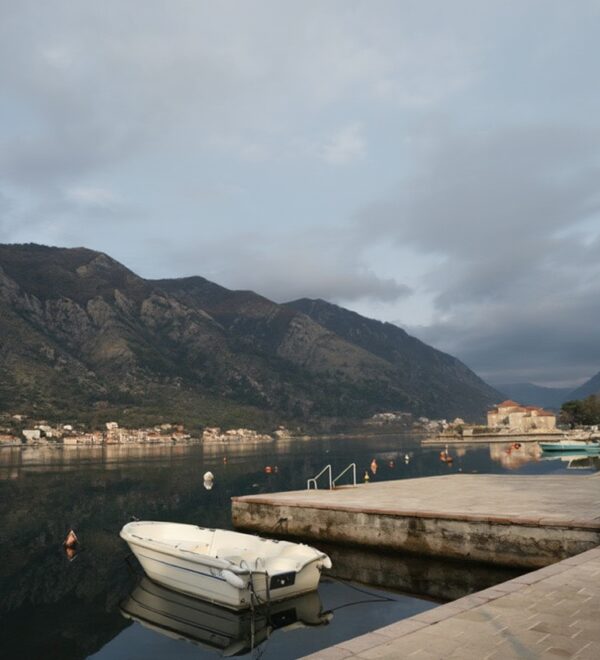
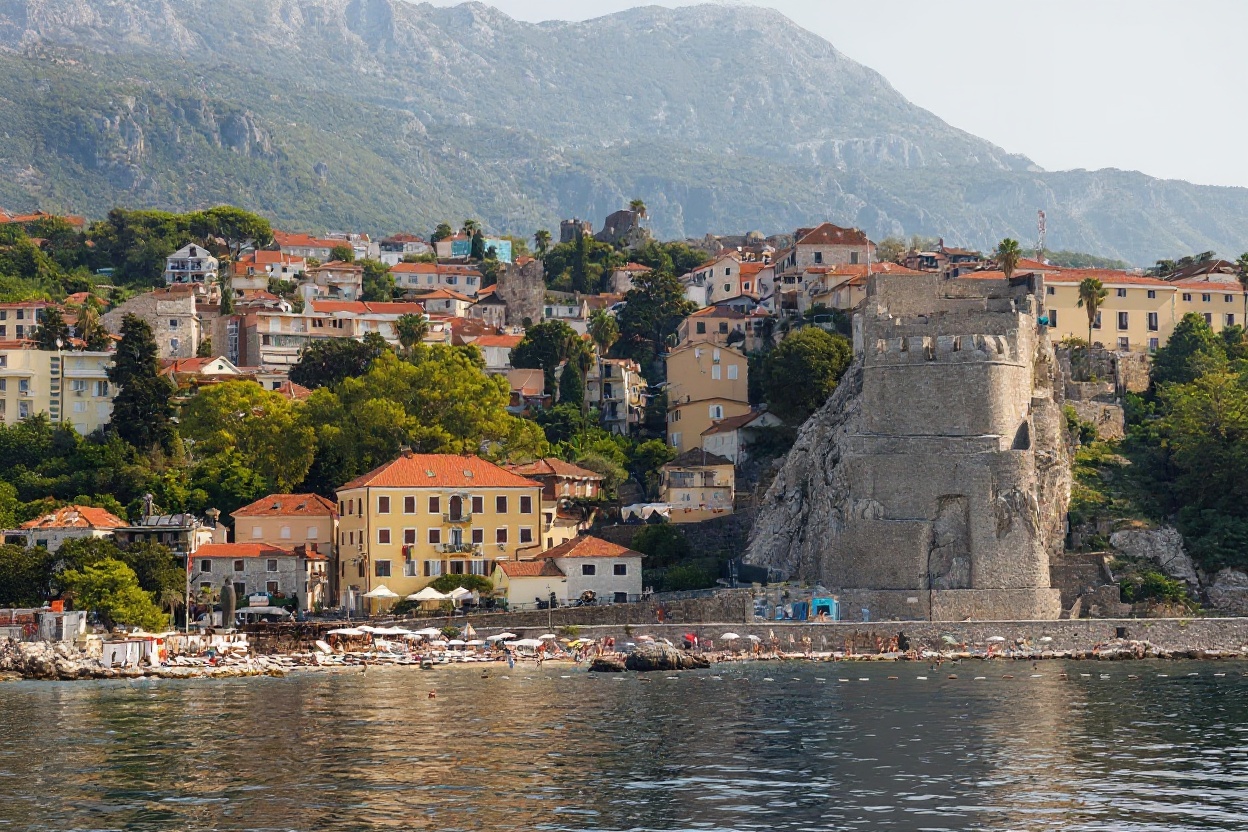
Herceg Novi is at the western entrance to the Bay of Kotor, where the mountains meet the Adriatic. It has a compact Old Town built from five centuries of occupation — Bosnian, Ottoman, Venetian, Austro-Hungarian — a fortress on the hill (Kanli Kula), a sea fortress on the waterfront (Forte Mare), and a microclimate that gives it more sunny days than anywhere else in Montenegro. The cruise ships go to Kotor. This is the correct situation.
What Herceg Novi Is (And Why the History Matters Here)
Herceg Novi was founded in 1382 by Bosnian king Tvrtko I, who named it after his title — Herceg means Duke — hence Hercegovina, the region. The Ottomans took it in 1482, held it for two centuries, and built Kanli Kula (the Bloody Tower) on the hill above. The Venetians took it back in 1687 and held it until Napoleon’s forces arrived in 1797. After that: French, Russian briefly, then Austro-Hungarian from 1813 to 1918, then Yugoslavia, then independent Montenegro from 2006.

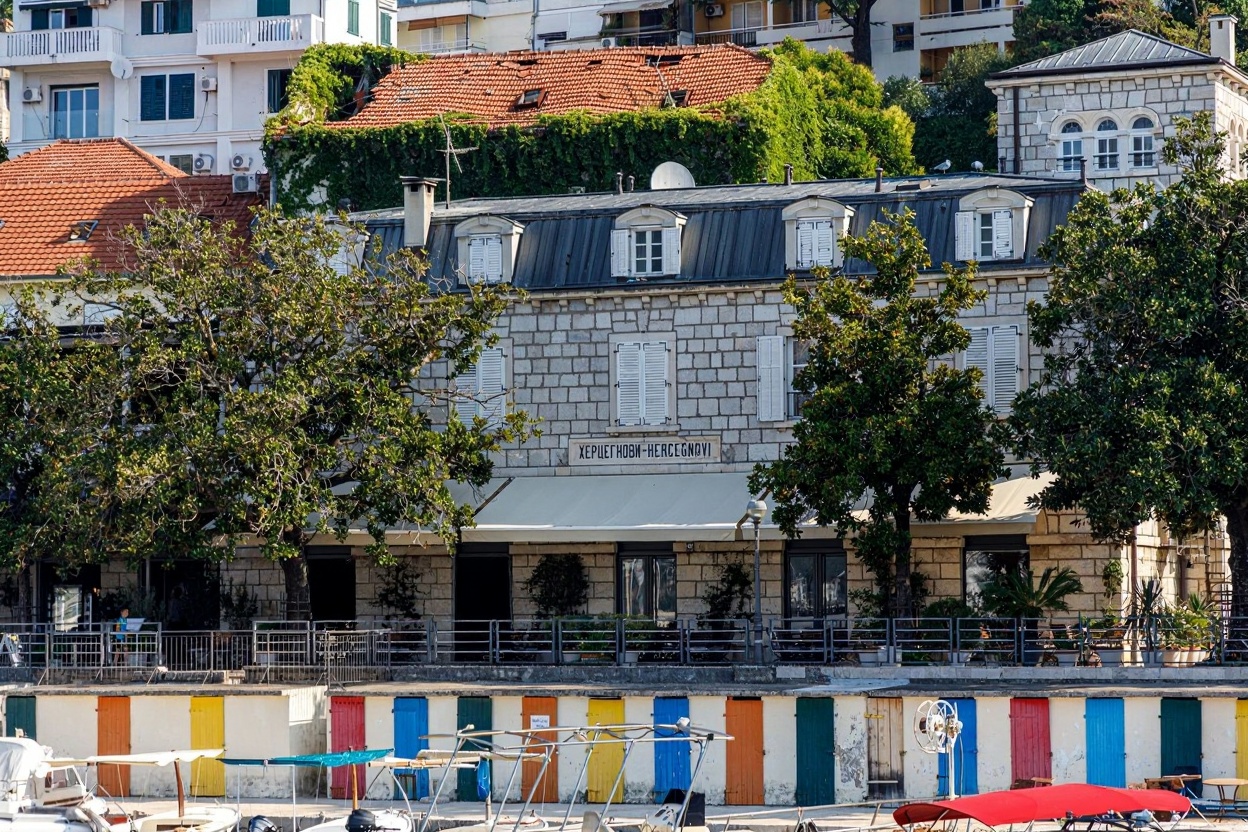
Each period left something visible: the Ottoman clock tower (Sahat Kula) in the main square, the Venetian sea fortress (Forte Mare) on the waterfront, the Austro-Hungarian villas along the promenade, and the 14th-century Serbian Orthodox Savina Monastery 1.5km east. Nowhere else on the Adriatic coast has this many architectural layers in such a compact area.
The nickname is “the city of flowers” — mimosa, bougainvillea, palms, lemon trees, and orange trees grow throughout the Old Town and the terraced hillsides above. In February, when the mimosa blooms yellow against the Austro-Hungarian stone facades, Herceg Novi holds a mimosa festival that has been running since the 1960s. It’s not a tourist event — it’s a local one that tourists can also attend, which is a different thing.
The Old Town: Kanli Kula and Forte Mare
The Herceg Novi Old Town is a 15-minute walk from top to bottom — from Kanli Kula fortress on the hill to Forte Mare on the waterfront. The main square (Trg Herceg Stjepana, usually called just “the square”) has the Ottoman Sahat Kula clock tower at its centre, a cathedral, and several café terraces where the Old Town’s social life happens from 8am to midnight.
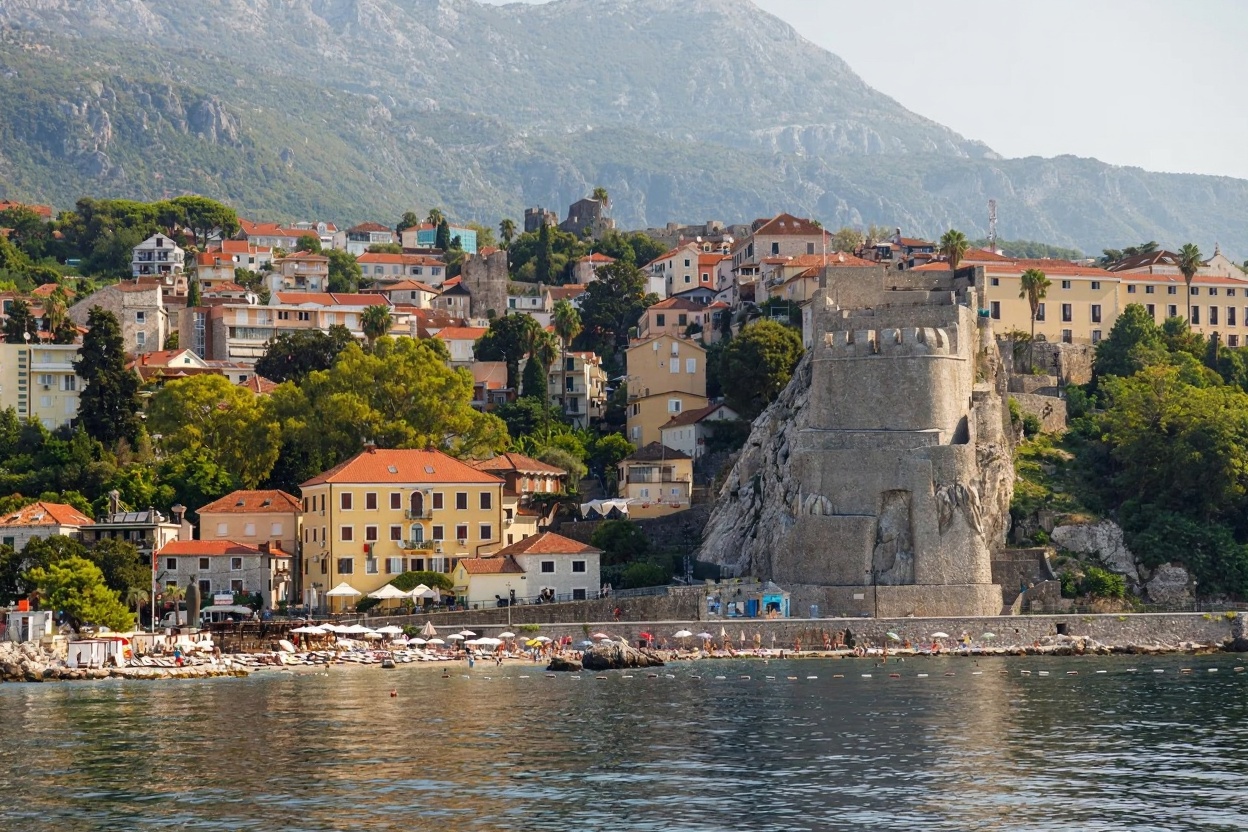
Kanli Kula (Bloody Tower): Ottoman fortress built in the 16th century, 10-minute walk uphill from the main square. Entry €2 (about £1.70 / $2.20). The tower is now an open-air summer theatre — concerts, film screenings, cultural events are held in the interior during July and August. The walls offer the best view over the bay and the Old Town from above. Worth the €2 regardless of whether there’s a performance on.
Forte Mare: the sea fortress at the bottom of the Old Town, built by the original 14th-century Bosnian rulers and extended by subsequent occupiers. Free to enter. The walls extend into the sea and the view from the ramparts across the Adriatic toward Croatia is the classic Herceg Novi photograph. At sunset the stone turns amber and the water goes deep blue and it becomes insufferably good for photography.
TOM’S PICK: Walk from Kanli Kula down through the Old Town to Forte Mare at 7am. The Old Town is empty, the light is horizontal and gold, and the combination of Ottoman stonework and Venetian arches and the sea at the bottom takes about 40 minutes at a proper pace. By 10am in July, the square has tour groups. The 7am version is the Herceg Novi to hold onto.
The Verige Ferry: The Transport Fact That Changes Everything
The Verige ferry crosses the narrowest point of the Bay of Kotor — from Lepetane (near Tivat airport) to Kamenari, 5km west of Herceg Novi. The crossing takes 4 minutes and runs 24 hours a day, every 15–30 minutes. Cost: €5 per car (passengers included). Walking on: free.
Why this matters: the alternative route from Kotor to Herceg Novi is around the bay road — 40km of winding Adriatic coastal road that takes 60–90 minutes in normal traffic and considerably longer in July and August when the road is shared with every tourist vehicle in Montenegro. The ferry cuts this to 20 minutes total (Kotor to Lepetane + crossing + Kamenari to Herceg Novi).
Most visitors to Montenegro don’t know the Verige ferry exists. It’s not on Google Maps by default. The Kotor guide covers it as part of the bay logistics, but it bears repeating here: if you’re driving from Kotor to Herceg Novi, take the ferry at Lepetane. The time saved is not marginal — it’s genuinely significant and the crossing itself is pleasant.
| Herceg Novi Quick Facts | |
|---|---|
| Distance from Kotor | 40km by road (~60-90 min) OR 20 min via Verige ferry (Lepetane–Kamenari, €5/car) |
| Distance from Dubrovnik | 50km, ~1.5–2 hours depending on border crossing |
| Old Town entry | Free — Kanli Kula €2 / Forte Mare free |
| Savina Monastery | Free — 1.5km east of Old Town, active monastery |
| Accommodation | Apartments from €35/night / guesthouses from €50 / hotels from €70 |
| Best season | May–June, September–October — good weather, no cruise ship volume |
| Climate | 270+ sunny days/year — Montenegro’s sunniest location |
| Currency | EUR — 1 EUR ≈ £0.85 / $1.08 |
Coming from Dubrovnik: Day Trip or Overnight?
Herceg Novi is the most accessible Montenegro destination from Dubrovnik — 50km and a straightforward border crossing at Debeli Brijeg. The drive is 1.5 hours in normal conditions; allow 2–2.5 hours in July and August when the border queue adds 30–45 minutes.
Day trip: genuinely viable. Drive or take a tour bus from Dubrovnik, park at the Herceg Novi seafront, walk the Old Town (3 hours), lunch at a waterfront restaurant, back to Dubrovnik for dinner. The day trip from Dubrovnik guide covers the full logistics including which border crossing to use and where to park in Herceg Novi.
Overnight: significantly better. Staying in Herceg Novi gives you the early-morning Old Town before any day-trippers arrive and the option to continue to Kotor the next day via the Verige ferry. Apartments in the Old Town area: €40–70 per night. Mid-range hotels: €70–100. The summer price premium in Herceg Novi is notably lower than in Kotor or Budva — another argument for basing here.
The classic 3-day Montenegro circuit from Dubrovnik: Day 1 Herceg Novi overnight → Day 2 Verige ferry to Kotor, explore Old Town, Perast → Day 3 return to Dubrovnik via Kotor. This covers the best of the Bay of Kotor without the Budva party infrastructure.
Beaches and Igalo
Herceg Novi’s beaches are mostly pebble and concrete platforms along the waterfront, rather than sand. The town beach below the Old Town has sea access and umbrellas (€5–8 per day) but is not the reason to come to Herceg Novi specifically.
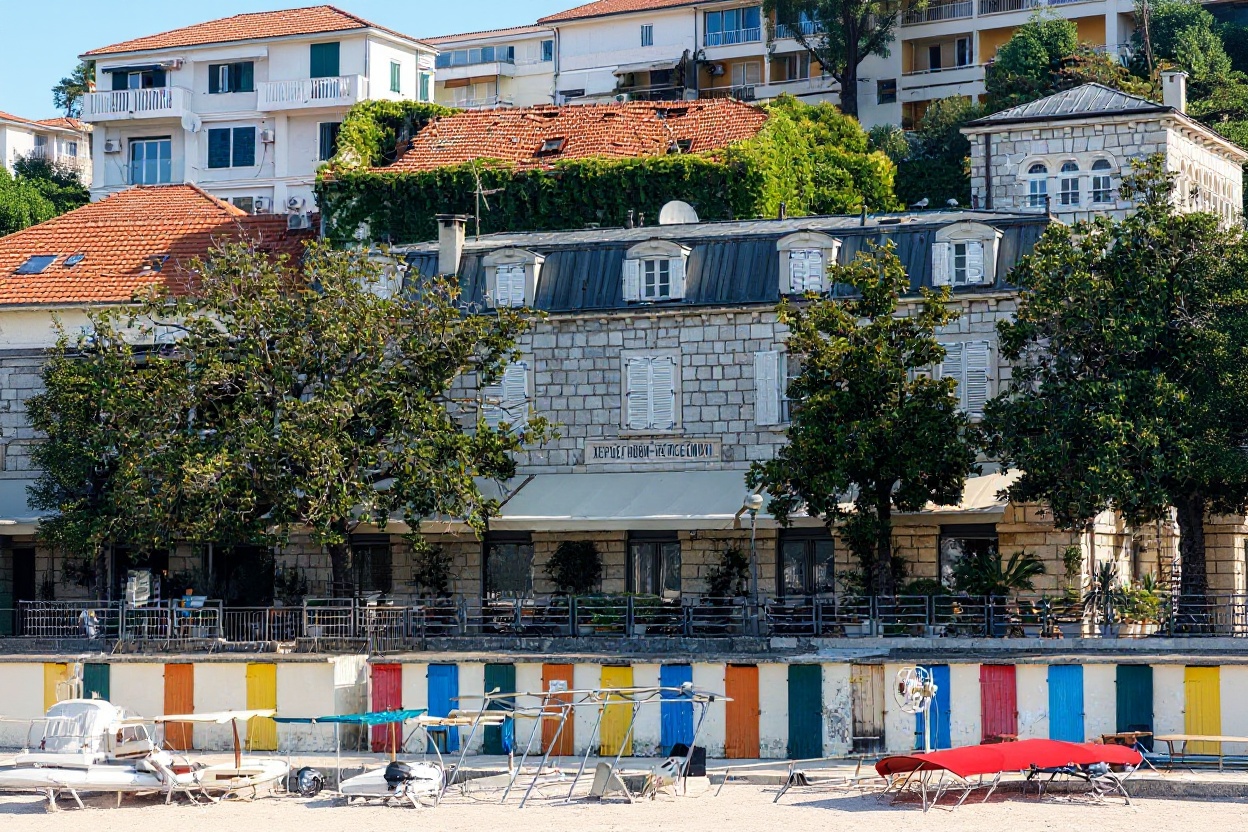
Igalo, 1km west of Herceg Novi, is a separate town that has been effectively absorbed into the greater Herceg Novi municipality. It’s internationally known for the Institute Igalo — a therapeutic spa and health resort that became famous when Tito used it and that NATO officials have visited since. The Institute runs thermal mud therapy, peloid treatments, and various rehabilitation programmes. Day access to the thermal pools and spa facilities: around €30–50 depending on treatment. Booking ahead is required.
For swimming, the beaches east of Herceg Novi toward Zelenika are better than the town centre — quieter, pebble, with clear water. Pebble beaches throughout this section of the bay mean the water is consistently cleaner than sandy-beach equivalents (no silting). The water temperature hits 24–26°C in July and August.
Savina Monastery: The Detail Most Visitors Skip
The Savina Monastery complex is 1.5km east of Herceg Novi Old Town along the waterfront promenade — about 25 minutes’ walk or 5 minutes by taxi. It’s an active Serbian Orthodox monastery with two church buildings on a forested promontory above the bay: the larger 18th-century Church of the Dormition and the smaller 14th-century Church of the Assumption.
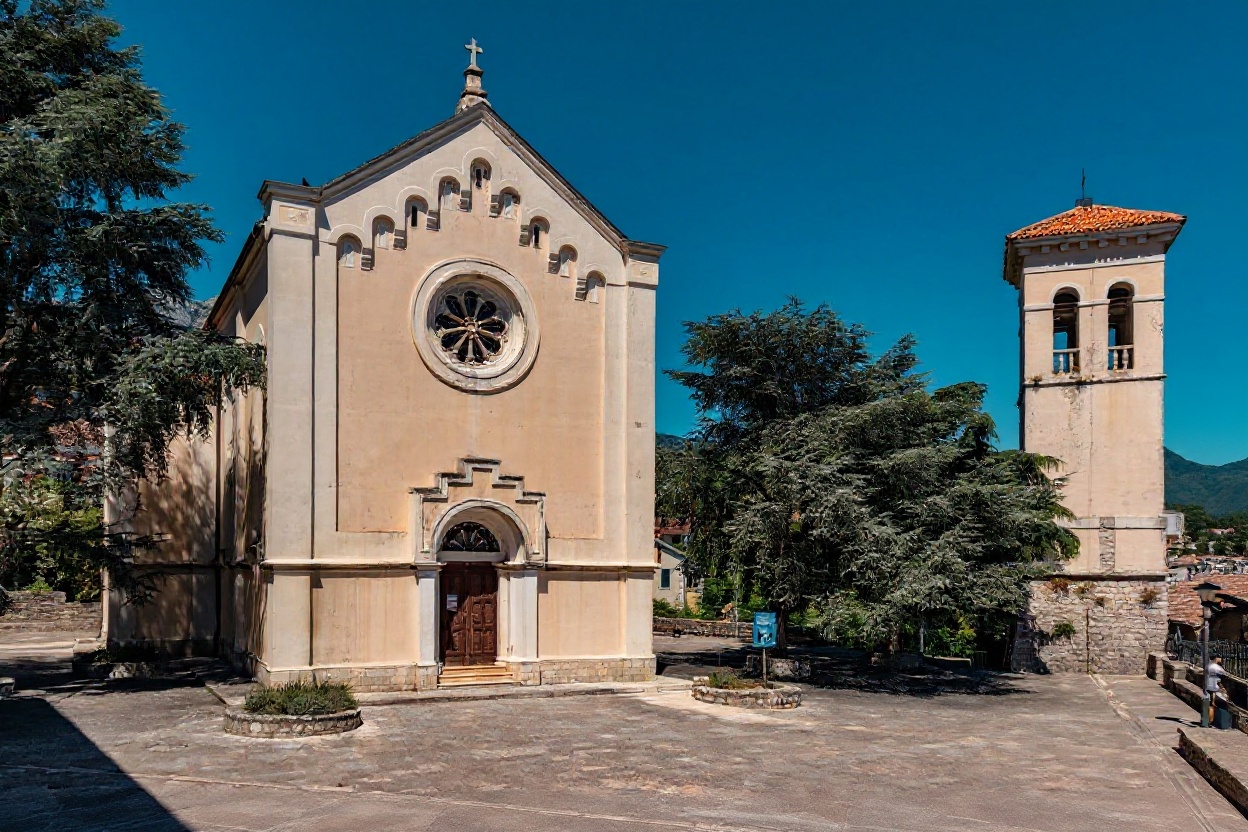
Entry is free. Dress modestly — shoulders and knees covered, same standard as any active Orthodox site. The monastery gardens are open and the combination of old stone churches, citrus trees, and the bay below is one of the more peaceful spots in all of Montenegro. Almost no one visits Savina as a standalone destination — most people who end up here walked east along the waterfront and discovered it. This is the best way to find it.
Where to Eat in Herceg Novi
Konoba Stari Grad — in the Old Town near the main square. Traditional Montenegrin food: grilled fish, lamb, njeguški steak (the local cured-meat-and-cheese combo that is Montenegro’s contribution to the world’s great foods). Mains €12–20. No tourist menu — actual Montenegrin cooking. The lamb is slow-roasted overnight. Order it if it’s available.
Gradska Kafana — on the main square, slightly more formal, seafood focus. Fresh fish from the morning catch (ask what came in today — the waiter will tell you). Grilled branzino or sea bream with olive oil and lemon: €14–22. The terrace on the square is the best seat in Herceg Novi on a warm evening.
The waterfront promenade east of Forte Mare has a string of restaurants and cafés that are pleasant in the evening when the light is off the bay. The tourist-to-local ratio here is higher than the Old Town restaurants, but the setting compensates. Budget €25–40 per person with wine at a mid-range waterfront restaurant.
Plantaže wine: Montenegro’s national wine producer makes a Vranac (a local red grape variety) that is genuinely good and costs €8–12 in a restaurant, €4–6 in a supermarket. If you drink wine and you’re in Montenegro, try the Vranac. The Herceg Novi konobas that serve it properly will have it by the glass. The waterfront tourist bars frequently don’t. Ask before sitting down if this matters to you.
Coffee culture: Montenegrins drink coffee at a pace that does not exist in Northern Europe. The kafana (café) culture of sitting for 90 minutes over one espresso and a glass of water is the dominant social format in Herceg Novi. The main square terraces in the morning run on this logic. Order a macchiato, don’t rush, and watch the Old Town wake up. This is free. It is also, arguably, the best thing you can do in Herceg Novi.
Day Trips from Herceg Novi: The Bay Circuit
Herceg Novi sits at the mouth of the Bay of Kotor, which means the entire bay circuit — Perast, Kotor, Budva — is within reach for day trips or a multi-day progression along the coast.
Perast (30km, 40 minutes): The village Tom will argue is the most beautiful on the Adriatic, 12km from Kotor on the inner bay. Two tiny islands offshore (Our Lady of the Rocks, built on a man-made reef in the 15th century), 400 residents, one winding road in. No cruise ships can dock. The Perast guide covers it in detail — from Herceg Novi, take the Verige ferry to Kamenari, drive to Kotor, and continue 12km along the inner bay road. Allow a half-day.
Kotor (40km via ferry, 1 hour): The UNESCO-listed Old Town with 4.5km of Venetian walls and the most photographed view in Montenegro. The Kotor guide covers the wall walk timing (7am, not noon) and the cruise ship schedule you need to work around. From Herceg Novi via Verige ferry: about 50 minutes total driving.
Sveti Stefan (65km, 1.5 hours): The island converted to a luxury resort, viewed from the public beach below. Worth an afternoon if you’re continuing south toward Budva. The Sveti Stefan guide covers what the access situation actually is and why the viewpoint is the right call.
The most practical approach for a longer Montenegro visit: base in Herceg Novi for 2–3 nights and day-trip the bay circuit, rather than moving accommodation daily. Herceg Novi has cheaper accommodation than Kotor and Budva and the Verige ferry gives you rapid access to the inner bay.
Where to Stay in Herceg Novi
Herceg Novi’s accommodation is consistently cheaper than Kotor and Budva — typically 20–30% less for equivalent quality — and the choice of staying here and ferrying to the inner bay for day trips is one of the better logistics decisions available on the Montenegro coast.
Budget (€25–45/night): Private rooms (sobe — SOH-beh) in family guesthouses throughout the Old Town area and on the residential streets above the waterfront. These are basic — clean double room, shared or en-suite bathroom, no frills — but the positions are often excellent. Several guesthouses on the upper streets above the Old Town have bay views that would cost three times the price in Kotor. Ask about views when booking; it’s not always visible in the listing photos.
Mid-range (€50–90/night): Small hotels and apartments in and around the Old Town. The best options have terraces overlooking the bay or the gardens. Hotel Perla is consistently recommended — well-positioned near the Old Town, reliable service, bay views from the upper rooms. Fortress Old Town Apartments occupy converted spaces within the Old Town walls with the closest possible proximity to Kanli Kula and Forte Mare. Book 2–3 weeks ahead for July–August.
Higher end (€90–150/night): Boutique hotels with pools and sea-facing terraces, mainly on the coastal road east toward Zelenika. These are genuinely pleasant without being exceptional — Montenegro’s luxury accommodation hasn’t reached the Croatian island-hotel level yet. The value proposition compared to equivalent properties in Dubrovnik or Split is significant.
The case for basing in Herceg Novi: If your Montenegro trip covers the full Bay of Kotor circuit, Herceg Novi makes practical sense as a base. The Verige ferry puts you in Kotor-side in 20 minutes. Dubrovnik day trips are 1.5 hours. The cost is lower than either Kotor or Budva. The cruise ship crowds that fill Kotor’s Old Town in summer don’t reach Herceg Novi. The trade-off is that Herceg Novi’s own Old Town, while excellent, is smaller than Kotor’s — two or three evenings exhaust it.
Herceg Novi in Winter: The Mimosa Season
Herceg Novi’s microclimate — Montenegro’s sunniest town, with 270+ sunny days a year — produces something unusual in February: the mimosa trees bloom yellow against the stone walls while the rest of the Adriatic coast is grey and closed. The Mimosa Festival (Festival Mimoze) runs for approximately two weeks in February, usually the first or second week of the month.
The festival is a local event rather than a tourist one. Mimosa branches are cut and distributed throughout the town, concerts and exhibitions fill the Old Town, and the waterfront promenade gets temporary stalls. The contrast between the yellow mimosa, the blue bay, and the grey February sky is the defining image of Herceg Novi that nobody who visits in summer ever sees.
Winter accommodation in Herceg Novi runs €30–50/night for a private room — roughly half the summer rate. Most restaurants stay open year-round because of the resident population and the domestic weekend visitors from Podgorica who use Herceg Novi as an off-season escape. The mimosa festival week is the one exception when booking ahead matters — accommodation within walking distance of the Old Town fills with domestic visitors.
Worth knowing: Herceg Novi in winter is the answer to the question “what does a small Adriatic town actually look like when it’s not performing for tourists?” The answer is: quieter, slower, more honest, and still genuinely good.
Practical Notes: Getting Around Within Herceg Novi
The Old Town, the waterfront promenade, Forte Mare, and the lower end of the walking route to Kanli Kula are all within a 15-minute walk of each other. The town is compact enough that you don’t need transport within Herceg Novi itself for the main sights.
Savina Monastery is 1.5km east along the waterfront promenade — an easy 25-minute walk with bay views the entire way. Igalo (the spa town) is 1km west — also walkable, or a 5-minute taxi for €3–5.
Taxis in Herceg Novi are inexpensive by Western standards: Herceg Novi to Kamenari (Verige ferry) is about €10–12. Herceg Novi to the Croatian border at Debeli Brijeg: €15–20. Agree on the fare before getting in — Herceg Novi taxis are generally honest but metered cabs are rare.
Montenegro’s highway infrastructure is improving but the secondary roads around the Bay of Kotor remain narrow, winding, and significantly slower than their distance suggests. The Verige ferry remains the most important single piece of transport knowledge in this part of Montenegro — and the one most visitors discover only after they’ve already added 90 minutes to their journey.
The Mistake Tom Made in Herceg Novi
Low season visit — late October — with friends who’d driven from Dubrovnik specifically to see the Old Town. I’d told them the Old Town was lively in the evening and the main square had good café options until late.
What I’d forgotten: in late October, Herceg Novi operates on local time rather than tourist time. We arrived at 6pm. The terrace cafés on the main square were closing. The two restaurants I’d mentally planned for dinner: one closed for the season entirely, one closing in 30 minutes. We ate at the one café that was still open and it was perfectly fine. But the lively evening square I’d promised was not the square we got.
The lesson: Herceg Novi in shoulder and low season (October–April) is a genuine local town rather than a tourist destination. The Old Town is still excellent. The morning walk is still the best thing. The mimosa festival in February is worth attending. But the summer-evening-café-terrace version of Herceg Novi requires June through September. Check what’s open before building an evening plan around it.
- How do I get from Kotor to Herceg Novi?
- By car: take the Verige ferry from Lepetane (near Tivat) to Kamenari — €5 per car, 4-minute crossing, runs every 15–30 minutes 24 hours a day. Total journey Kotor to Herceg Novi: about 20–25 minutes. The bay road alternative is 40km and 60–90 minutes. Take the ferry.
- Is Herceg Novi worth visiting from Dubrovnik?
- Yes — it’s the easiest Montenegro day trip from Dubrovnik (50km, 1.5 hours, one border crossing at Debeli Brijeg). The Old Town is a half-day’s exploration. Better than Kotor for a day trip in peak season because there are no cruise ships and the scale is more manageable. Overnight is better still — you get the early-morning Old Town and can continue to Kotor the next day.
- What is Kanli Kula in Herceg Novi?
- The Bloody Tower — an Ottoman fortress built in the 16th century on the hill above the Old Town. Open daily, entry €2. Now used as an open-air summer theatre for concerts and events. The view from the walls over the Bay of Kotor and the Adriatic is the best elevated view in the Herceg Novi area. Worth visiting first thing in the morning before any events begin.
- When is the best time to visit Herceg Novi?
- May–June and September–October — warm enough for swimming (water temperature 22–26°C), tourist infrastructure fully open, without the July–August crowds and heat. February is worth considering specifically for the mimosa festival (usually the first or second week of February). July–August: excellent weather but the peak of domestic and regional tourism season.
- Is Herceg Novi better than Kotor?
- Different rather than better. Kotor has the more famous Old Town and the iconic bay views. Herceg Novi has richer architectural layering (more historical periods visible), fewer crowds, a sunnier microclimate, and easier Dubrovnik access. For travellers who’ve already done Kotor, Herceg Novi is an excellent complement. For first-time Montenegro visitors, Kotor is the starting point and Herceg Novi is the addition.
- What is the Igalo Institute and is it worth visiting?
- The Igalo Institute (Institute Dr Simo Milošević) is a therapeutic health resort 1km west of Herceg Novi, famous for its peloid (therapeutic mud) treatments and thermal pools. Tito used it; NATO officials have visited. Day access to the spa facilities costs €30–50 depending on treatment. It’s primarily a rehabilitation and wellness destination rather than a luxury spa — the facilities are functional rather than glamorous. Worth it if physiotherapy or therapeutic mud bathing is specifically what you want; not a spa hotel in the conventional sense.
- Can I walk from the Old Town to Savina Monastery?
- Yes — 25 minutes along the waterfront promenade heading east from Forte Mare. The walk is flat, has bay views the entire way, and passes a section of the Austro-Hungarian seafront villas that are worth looking at as you go. Savina is free to enter, active Orthodox monastery, dress modestly (shoulders and knees covered). The small 14th-century church in the monastery complex is the older and more interesting of the two buildings.
Herceg Novi is what most visitors to the Bay of Kotor miss by heading straight from the Croatian border to Kotor — which is fine, Kotor deserves the attention. But if you have an extra day or want an Adriatic base that still feels like a working town rather than a UNESCO World Heritage photo opportunity, Herceg Novi is the answer. Take the Verige ferry. Walk the Old Town at 7am. Eat the lamb. Questions in the comments. Go before the cruise ships arrive — which, in Herceg Novi’s case, they mostly don’t.