Last updated: June 2026 — boat prices and restaurant listings verified June 2026.
Perast sits on a narrow peninsula in the Bay of Kotor, 12km from Kotor town, and has roughly 400 permanent residents. It has two islands offshore, one of them man-made over three centuries by sailors dropping stones. It has no cruise ship dock, which is the main reason it still looks the way it does. A half-day trip from Kotor by taxi costs €10-15 each way. It’s the best half-day you’ll spend in Montenegro.
Perast is why I will argue, with supporting evidence, that the Bay of Kotor is the most interesting coastline in the Adriatic. Not the most famous — Dubrovnik wins that on marketing budget alone. But the most interesting.
I’ve been living in Kotor Old Town for three years. I’ve taken visitors to Perast a dozen times. The reaction is always the same: they’re surprised it exists, and then they’re annoyed they didn’t know about it before arriving.
Here’s what to do there, how to get there, and why the boat to the man-made island is non-negotiable.
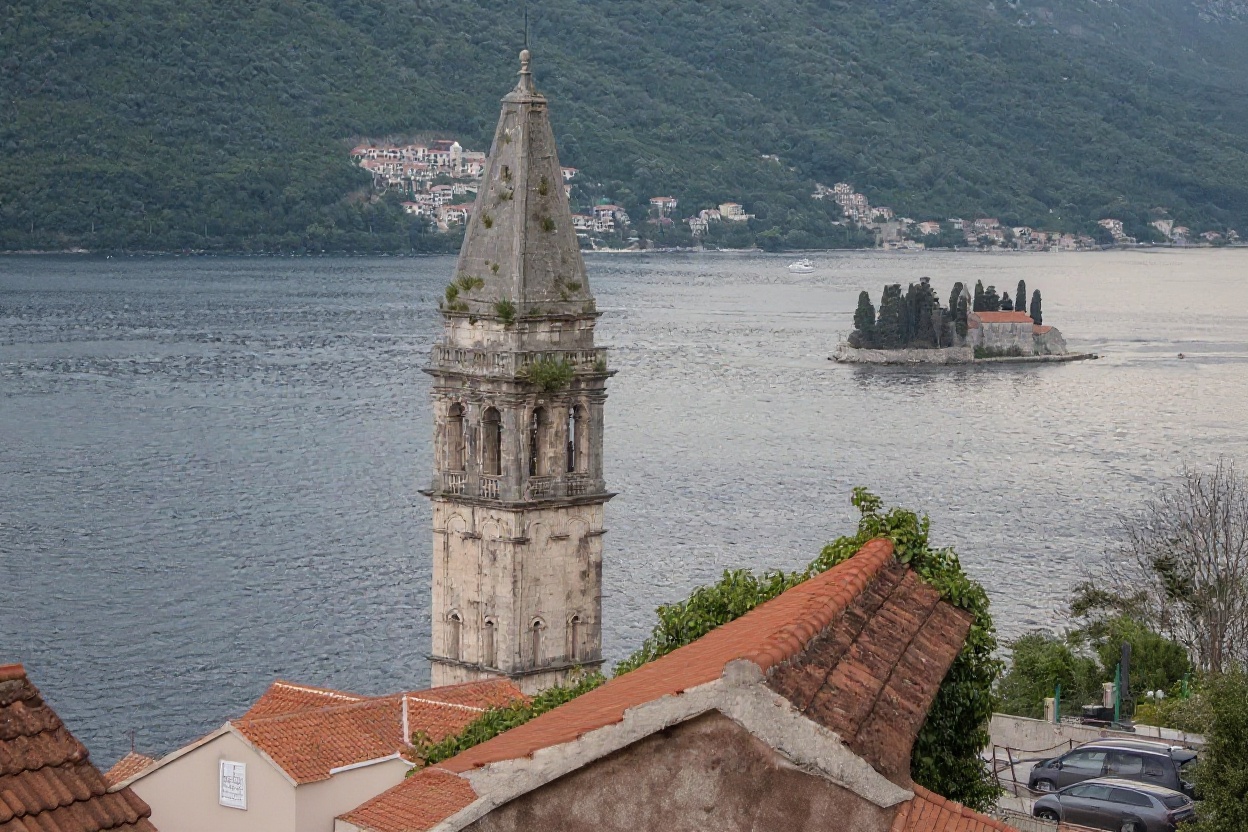
Why Perast Is the Bay of Kotor’s Best-Kept Open Secret
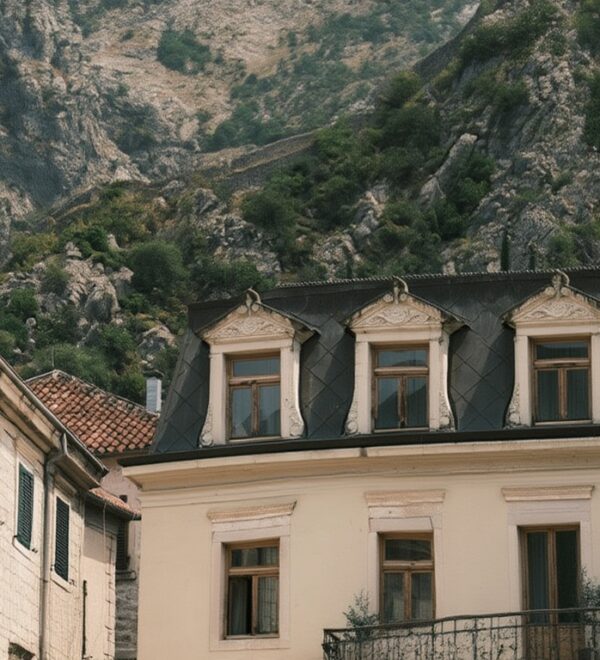
Perast reached its peak in the 17th and 18th centuries. The town was a Venetian maritime powerhouse — a place of sea captains and shipbuilders, producing more naval officers per capita than almost anywhere in the Republic of Venice. At its height, it had 19 Catholic churches for 400 families. Most of those churches are now ruins. The Baroque palaces lining the waterfront are still there.
The most useful piece of historical context: in 1698, Tsar Peter the Great sent 17 young Russian nobles to Perast to learn seamanship from Captain Marko Martinović, the town’s most celebrated navigator. They studied here for over a year. Peter the Great’s eventual transformation of the Russian navy had a Perast connection. This is the kind of detail that makes standing on the waterfront feel like more than just admiring the view.
The reason Perast is quieter than Kotor: one road in, one road out, and it can’t accommodate large cruise ships. The cruise traffic goes to Kotor — a 12-minute drive south. Perast gets day trippers, but in manageable numbers. The pace is completely different.
⚠Real Talk
Perast in July-August is not empty. The waterfront fills up from 10am onwards and the restaurants get busy. But it’s not the organised chaos of Kotor Old Town with five ships in port — it’s a village that can absorb visitors without breaking. Go before 10am or after 5pm and you’ll have the waterfront largely to yourself.
Our Lady of the Rocks: The Island Built by Sailors
The larger of the two islands offshore is Gospa od Škrpjela — Our Lady of the Rocks. It doesn’t look man-made. It is.
The story: in 1452, two local sailors found an icon of the Virgin Mary on a rock in the bay. They interpreted this as a sign and began dropping stones around the rock each time they returned from a voyage safely. Other captains joined them. Sunken ships were added. Over three centuries, a small artificial island accumulated around the original rock, and the church built on it grew accordingly.
Every year on the 22nd of July, Montenegrin fishermen and sailors continue the tradition — a procession of boats drops rocks into the sea around the island. It’s been happening for over 570 years. The fact that this is a UNESCO Intangible Cultural Heritage nominee rather than a full listing is one of those bureaucratic oversights that doesn’t diminish the island itself.
Inside the church, the museum holds the embroidery of Jacinta Kunić-Mijović — a tapestry she worked on for 25 years using her own hair as thread after her husband was lost at sea. The detail is extraordinary and slightly haunting. Entry to the museum costs €3. It’s worth it.
Getting to the island: boats run from the Perast waterfront throughout the day in season. Look for the boatmen standing near the dock — they charge €5 per person each way. The crossing takes about 5 minutes. My confession: the first time I brought visitors, I ignored the regular boat and hired a local with a speedboat who approached us on the waterfront. He was charming and his boat was fast. He charged €40. The regular boat costs €5. Ask the price before you step on anything.
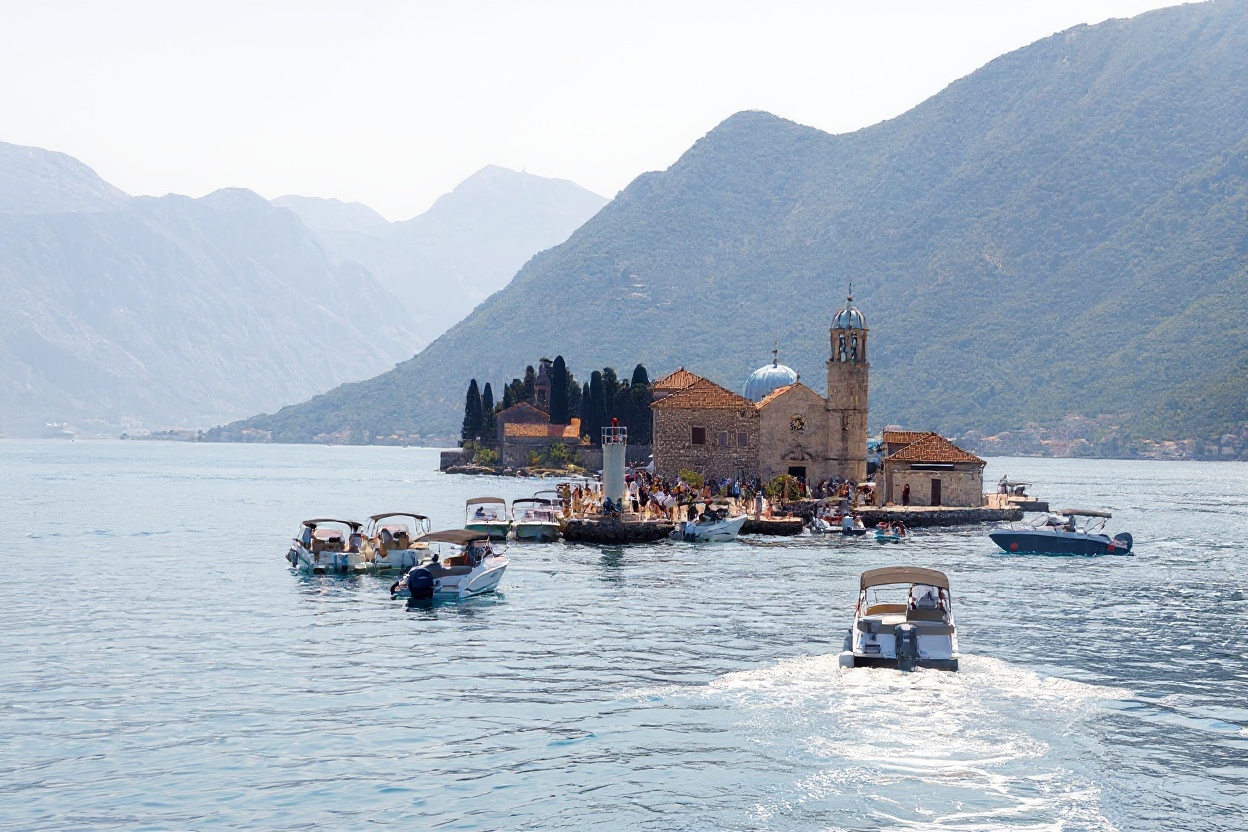
St George Island: The One You Look At, Not Visit
The smaller, darker island to the right of Our Lady of the Rocks is Sveti Đorđe — St George. A Benedictine monastery sits on it, founded in the 12th century. It’s closed to the public. The island is cypress-covered and sombre in a way that makes it look exactly like what it is — a working monastic island that doesn’t want visitors.
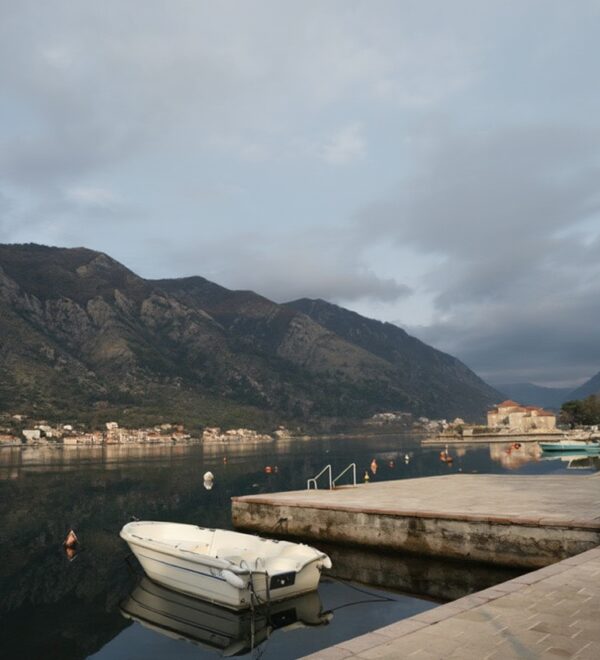
From the water, or from the Perast waterfront, the contrast between the two islands is striking: the white church dome of Our Lady of the Rocks against the dark cypresses of St George. Some photographers come to Perast specifically for this composition at dawn.
You can get close to St George by boat — the boatmen who take you to Our Lady of the Rocks will circle St George on request. Don’t try to land. The monks don’t appreciate it, and there’s nothing to land on in any case.
What to Do in Perast for Half a Day
Perast has one main road along the waterfront and a warren of stone lanes behind it. Here’s how to spend a half day well.
Arrive before 10am. Walk the waterfront from south to north — about 400 metres. The limestone promenade has been worn smooth by four centuries of foot traffic. The Baroque palace facades range from immaculate restoration to dignified ruin. At this hour, the smell is salt water and morning coffee from the café at the northern end.
Church of St Nicholas. The large 17th-century church at the centre of the waterfront is hard to miss — its campanile is the tallest structure in the village. Entry is free. Inside, the votive paintings from the Venetian era line the walls — portraits of sea captains and their ships, painted by local artists as offerings before voyages. It’s a remarkable document of what the town once was.
Museum of Perast. One of the oldest museums in Montenegro, housed in the Bujović Palace on the waterfront. Entry is 3-4€. Small, well-curated, with navigational instruments, maps, and historical artefacts from the Venetian maritime era. Spend 30-40 minutes here.
Boat to Our Lady of the Rocks. Non-negotiable. Do this before 10am if you want the island mostly to yourself.
Late morning swim. Banja beach — a 15-minute walk north of the main waterfront — is a concrete ledge with access to the bay. Not a beach in the conventional sense, but the water is clean and the view back to the village is excellent. Bring a mat.
Lunch on the waterfront. Most of the waterfront restaurants have the same menu: seafood, grilled fish, Montenegrin standards. The quality ranges from good to excellent. The price range is €15-25 for a fish main, €10-15 for pasta or lamb. A full meal with a glass of local Vranac wine runs €25-35 per person. This is slightly more than equivalent restaurants in Kotor — the village premium. It’s worth it.
•TOM’S PICK
The waterfront terrace of Conte restaurant for lunch — the grilled fish is consistently good and the view straight down the bay towards the two islands is the best restaurant view in Montenegro. Book ahead in July-August or arrive by noon. The Montenegrin wine list is better than it looks.
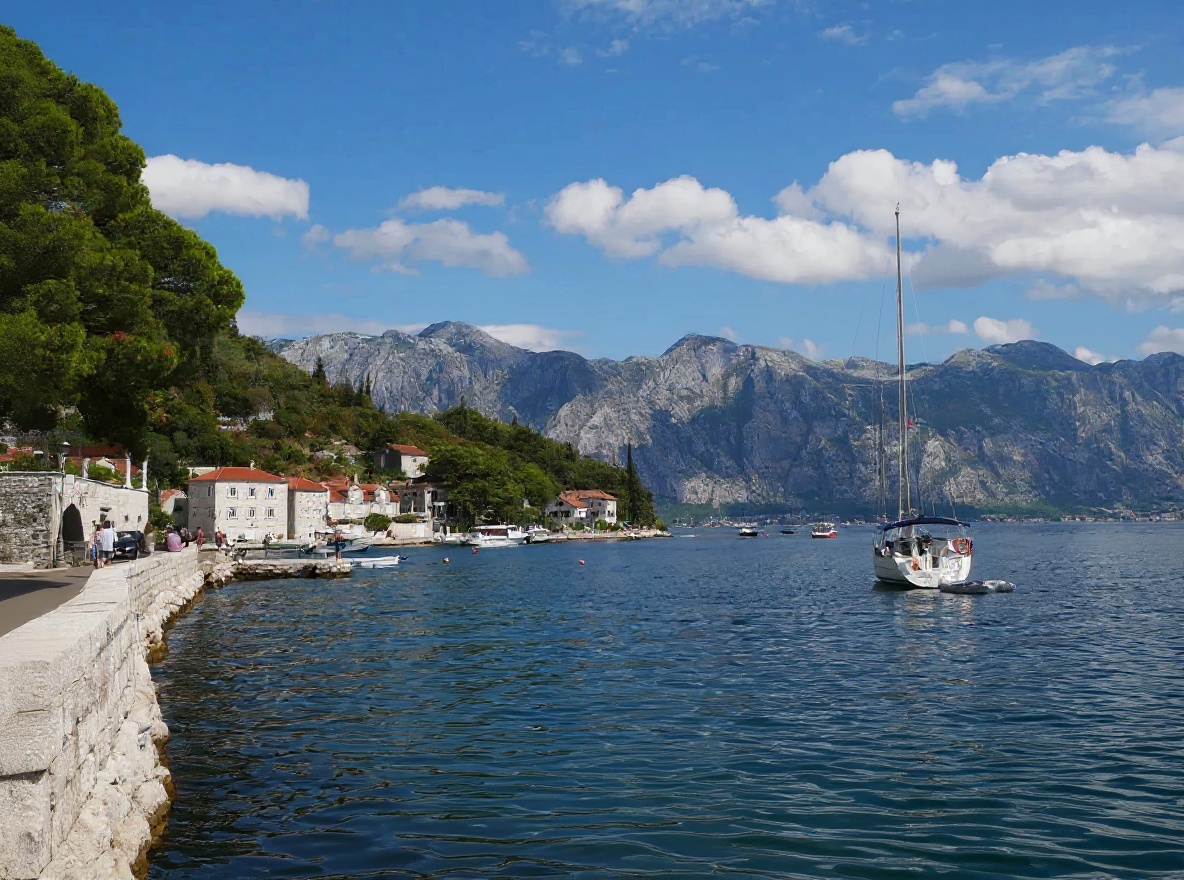
Getting to Perast from Kotor
Two options that actually work: taxi or bus. The drive is 12km along the Bay of Kotor road — about 20-25 minutes, depending on traffic.
Taxi from Kotor: negotiate the price before getting in. From Kotor Old Town to Perast runs €10-15 one way. A return taxi (driver waits while you visit) costs €25-35 depending on how long you’re there — agree on a flat rate and a return time. Most taxi drivers who work this route speak enough English to communicate. Don’t flag down taxis at Kotor’s Sea Gate — they’re cruise ship rates. Walk 200 metres to the regular taxi stand on the main road.
Local bus (line 10): runs from Kotor bus terminal to Perast and beyond, several times daily. Fare is around 2€. The journey is 30 minutes and the bus goes along the bay road, which provides the same views as the taxi at a fraction of the cost. The schedule is loose — go early and check return times before you board your outbound bus. This is the budget option and it works fine.
Self-drive: perfectly feasible. The bay road (Jadranski Put) is a single lane in both directions on some stretches — take your time. Parking in Perast is limited to a small car park at the village entrance. In July-August it fills up by 9am.
Organised tour from Kotor or Budva: most tour operators offer a Bay of Kotor half-day that includes Perast, Our Lady of the Rocks, and sometimes Herceg Novi. Prices run €20-35 per person. Fine if you want structure; unnecessary if you’re comfortable doing it independently.
For the full Kotor picture, including the Old Town walk, the city walls, and the best bases for exploring the whole bay, the things to do in Kotor guide has the logistics. And for timing your whole Montenegro visit — the Perast question is really a timing question — the Montenegro best time to visit guide covers the seasonal picture in full.
When to Visit Perast
May, June, and September are the best months. This is the same answer as everywhere on the Montenegrin coast, but it’s worth explaining why Perast specifically.
In May and June: the weather is warm (22-27°C), the bay is calm, the boat to Our Lady of the Rocks runs without competition for seats, and the waterfront restaurants have space. The light on the water in June is extraordinary — blue-green where the bay shallows near the village, deep blue towards the open water.
In July-August: Perast gets busy but not Kotor-busy. The difference matters. You can still eat lunch on the waterfront without a reservation most days. The islands are crowded mid-morning. Prices for restaurants go up about 15-20%. The heat (32-36°C midday) is real — go early, swim midday, sight-see again in the late afternoon.
In September: genuinely excellent. The bay water is warm from summer (24-25°C), the crowds have thinned, and the light starts to shift — less harsh, more golden. The 22nd July ceremony has passed but the energy of the village in September is as good as it gets.
October and November: the village quiets significantly. Some restaurants close. The islands still run boat service on weekends. The Baroque architecture in autumn light is worth seeing. Not a beach trip but an excellent cultural visit.
Where to Stay in Perast (And Whether You Should)
Overnight stays in Perast are limited to a handful of boutique hotels and apartments in the old Baroque palaces. They’re expensive — €120-250/night for the nicer options — and book out weeks in advance in July-August.
The honest case for staying: waking up in Perast before 6am when the bay is completely still, the two islands catching the first light, and precisely zero other tourists on the waterfront. I’ve stayed once and it was extraordinary.
The practical case for not staying: Kotor is 12km away, has far more accommodation options at every price point, better restaurants for dinner, and more to do after 6pm. Use Kotor as your base and do Perast as a half-day trip. For most visitors, this is the correct call.
If you do want to stay: book directly with the smaller guesthouses in the village — they’re more likely to have availability and better rates than what appears on the aggregators. The apartments inside the restored Baroque palaces are the most atmospheric option; several are listed on Booking.com under “Perast” with a quick search. Check the reviews for “view” — some rooms face the courtyard rather than the bay, which matters for that 6am moment I mentioned.
Budget travellers should base themselves in Kotor. Guesthouses in Kotor Old Town run €40-70/night in shoulder season — half the Perast price for equivalent comfort, with better evening options and the Old Town at your doorstep. The Kotor guide covers accommodation picks in detail.
One practical note on the drive back from Perast in the evening: the bay road runs along a narrow coastal strip with oncoming traffic and limited visibility on some bends. Drive slowly, use full headlights from dusk, and don’t rush the return. The road is fine — it just rewards patience more than speed.
- How do I get to Perast from Kotor?
- Taxi from Kotor Old Town costs €10-15 one way — agree the price before getting in and use the regular taxi stand, not the cruise ship taxis at the Sea Gate. The local bus (line 10) from Kotor bus terminal takes about 30 minutes and costs around €2. Self-driving is easy — 12km along the bay road, parking at the village entrance fills up early in summer.
- Is the boat to Our Lady of the Rocks worth it?
- Yes, without hesitation. The island was built by sailors dropping rocks over three centuries. Inside the church, a museum holds a tapestry worked in human hair over 25 years. The boat from the Perast waterfront costs €5 each way and takes 5 minutes. Ask the price before boarding — speedboat operators charge much more for the same crossing.
- How long do you need in Perast?
- Half a day from Kotor is plenty: arrive before 10am, walk the waterfront, see St Nicholas Church and the Museum of Perast, take the boat to Our Lady of the Rocks, and have lunch on the waterfront. You’ll be done by 2pm. A full day works well if you want to swim at Banja beach and stay for an unhurried dinner.
- Can I visit Perast and Kotor on the same day?
- Yes — this is the standard approach. Perast in the morning (arrive 8-9am, leave by 1pm), Kotor Old Town in the afternoon. Or reverse it: Kotor walls at 7am, then Perast for lunch. Both work. The taxi between them takes 20 minutes. Many visitors combine both in a single day without feeling rushed.
- Is Perast crowded in summer?
- Less crowded than Kotor — no cruise ships dock here, which keeps numbers manageable. July-August midday (10am-4pm) is the busiest period; arrive early or late for a calmer experience. May, June, and September are noticeably quieter with the same quality of weather and water.
- What is there to do in Perast for kids?
- The boat to Our Lady of the Rocks is genuinely engaging — the story of sailors building an island appeals to children. The waterfront is flat and easy to walk. Banja beach has calm, shallow water. The village is compact and walkable without traffic concerns. It’s a good family half-day destination.
Cruise Ship Crowds: Why Perast Is Different from Kotor
Here’s the thing that separates Perast from every other beautiful place on the Bay of Kotor: the road.
Perast sits on a narrow peninsula connected to the bay road by a single-lane approach. Large coaches can get in with difficulty. Cruise ships cannot dock — the bay is too shallow close to Perast, and there’s no pier infrastructure. This is not an oversight. It is the structural reason Perast has remained what it is.
Kotor, 12km south, receives up to six cruise ships per day in peak summer. Each ship delivers 2,000–3,500 passengers through the Sea Gate. At 10am on a Tuesday in August, Kotor’s Old Town contains more people than Perast has seen in a week.
Perast gets day-trippers by car and minibus. A good summer day might bring 200–400 visitors. That is not nothing — the waterfront restaurants fill by noon and the boat queues for Our Lady of the Rocks lengthen from 10am onward. But it’s a human scale that the village absorbs without breaking. The distinction matters when you’re planning a Montenegro itinerary: if you want the Bay of Kotor without the cruise ship atmosphere, a morning in Perast while Kotor handles its ships is the right sequence.
The specific timing that works: arrive in Perast at 8:30–9am (before the day-tripper minibuses from Kotor arrive), do the boat to Our Lady of the Rocks at 9am when you’ll often be alone on the island, have the waterfront walk to yourself until 10am, then have lunch as the midday visitors arrive. Leave by 1–2pm and you’ve done Perast at its best.
Perast Getting There: All the Options
The village has one road in and out. These are the options from Kotor, which is the most common base.
Taxi: €10–15 from Kotor Old Town. The most flexible option — go when you want, stay as long as you want. Agree the price before getting in. The cruise ship taxi ranks at the Sea Gate charge tourist rates; the regular taxi stand on the main road (100 metres from the North Gate) charges the local rate. A taxi waiting for you while you visit — typically 2–3 hours — costs €25–40 agreed in advance. Call a number rather than flagging: the driver gets the full fare rather than sharing a commission with a rank.
Local bus (Blue Line, Line 10): From Kotor bus terminal, runs several times daily, approximately every 1.5–2 hours. Fare around €1.50–2. Journey time 30–40 minutes along the bay road — the same coastal scenery as the taxi, at a fraction of the cost. Check the return timetable before boarding the outgoing bus. The afternoon return slots fill in summer; know when your bus is before committing to lunch.
Self-drive: The bay road (Jadranski Put) from Kotor to Perast is 12km, a 20–25 minute drive. Well-signposted. The road is single lane in some sections so overtaking is limited; take your time. Parking in Perast: a small car park at the village entrance fills by 9:30am on summer weekends. Arrive early or park on the approach road and walk 5 minutes. Don’t try to park along the main waterfront — it’s pedestrianised in summer.
Organised half-day tour from Kotor or Budva: €20–35 per person, includes guide and transport. Fine for people who want structure and context. Unnecessary if you’re comfortable navigating independently — the taxi + boat combination costs similar and gives you more time.
Combining Perast with the Rest of the Bay
Perast works best as part of a larger Bay of Kotor day. The bay is a circular route — Kotor at the south-east, Herceg Novi at the entrance — and you can cover the highlights in a single day if you have a car.
The logical route going north from Kotor: drive the bay road to Perast (12km, about 25 minutes), spend your morning there including the island boat trip. Then continue north to Risan — a smaller village with a 2nd-century Roman mosaic floor (the only one in Montenegro, entry 3€) that nobody visits. Then continue to Herceg Novi at the bay entrance, which has a proper old town, good seafood, and a nice promenade. Return via the Verige ferry — a car ferry that crosses the bay’s narrowest point in 4 minutes, running every 30 minutes, and costs €5 per car. The ferry saves you the 1+ hour drive around the bay road.
Alternatively, if you’re coming from Budva or heading there: the Kotor Old Town guide covers the city walls and the Old Town in detail. Perast plus Kotor Old Town in one day is the most common combination and works perfectly — Perast in the morning, Kotor walls at 4pm when the cruise ships have left.
ℹKnow Before You Go
The Verige ferry crosses the Bay of Kotor at its narrowest point, between Kamenari (north side) and Lepetane (south side). It runs every 30 minutes from around 6am to midnight, costs €5 per car (passengers free), and takes exactly 4 minutes. Most visitors don’t know it exists. If you’re looping the bay by car, this is the correct return route — it saves at least an hour compared to driving the full bay road.
The Short Version on Perast
Perast is the Bay of Kotor at its most distilled: Baroque architecture, two islands, no cruise ships, 400 residents. It costs €20-30 return by taxi from Kotor and half a day of your time. The boat to the man-made island built by returning sailors is one of the more unusual experiences in the Western Balkans.
Go before 10am. Take the regular boat — it’s €5. Have lunch on the waterfront and try the local Vranac. Be back in Kotor before the afternoon heat peaks.
If you’re planning a broader Montenegro trip and want to know whether to prioritise the coast or the mountains, the Montenegro best time to visit guide covers the full seasonal logic — including when Perast, Kotor, and Durmitor all align for the best possible conditions.
Questions in the comments — I check them most days.