Last updated: June 2026 — Tom Archer. Prices and restaurant recommendations verified June 2026.
The Two Montenegrin Food Worlds
Montenegro is physically small — you can cross from coast to mountain in 90 minutes — but the food changes completely as you climb.
On the coast: Adriatic seafood. The Bay of Kotor is a saltwater fjord that produces mussels worth travelling for. Budva and Bar have fresh fish markets. The Italian influence is real — Venetians ruled this coast for 450 years and the food shows it.
In the mountains: this is mountain food, and mountain food means things that keep. NjeguÅ¡ki prÅ¡ut (smoked prosciutto from the village of NjeguÅ¡i), aged hard cheese from sheep and goats, lamb spit-roasted on open fire, cicvara (a cornmeal-and-cheese porridge that sounds dull and is remarkable). “It’s real mountain food as in high in calories.” That’s not marketing; that’s accurate.
Durmitor and the Tara Canyon area eat completely differently from Kotor. Order accordingly.
The Dishes You Should Actually Order
Njeguški Steak (Njeguški šnicla)
This is Tom’s argument for Montenegro as a serious food destination. The NjeguÅ¡ki steak is a piece of veal or pork stuffed with njeguÅ¡ki prÅ¡ut (the local smoked ham) and NjeguÅ¡ki cheese, then breaded and fried. The combination of the smoked ham’s intensity and the sheep’s cheese’s salt against the mild meat is one of those simple-ingredient combinations that takes generations to perfect.
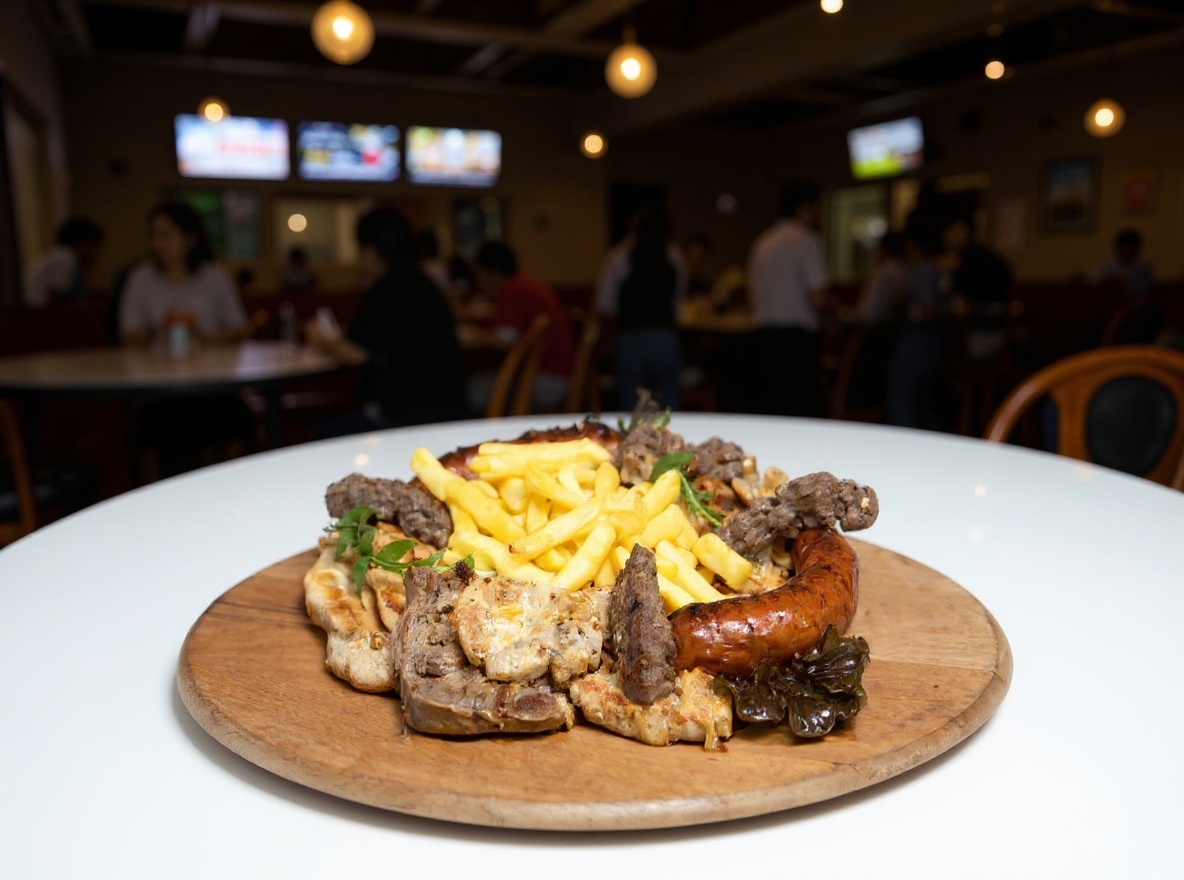
Named after Njeguši, the village above Kotor on the road to Cetinje. A legitimate reason to detour there rather than just driving through.
Order it at: inland restaurants in and around Cetinje and Njeguši itself. Some Kotor restaurants do a version but the ones you find in the mountains proper are better — the ingredients are shorter-traveled.
Njeguški Pršut (Smoked Prosciutto)
The pršut is cured in a specific way — cold-smoked over local wood, then dried in the mountain air above Kotor. The result is denser and smokier than Italian prosciutto, with a different fat distribution and a more intense flavour.
You’ll find it everywhere. In Kotor Old Town, it’s sold by the slice as a bar snack. In the markets it comes vacuum-packed for taking home. At the source — shops in NjeguÅ¡i village itself — you can buy whole legs. Buy a vacuum-packed piece if you can get it home. It travels well.
Crni Rižot (Black Risotto)
Squid ink risotto, Adriatic-style. The best version in the Kotor area is at Galion Restaurant on the Kotor waterfront — “You could savor crni rižot at Galion, a lovely waterfront restaurant in Kotor where the dish is enhanced with an infusion of thyme and those dazzling fjord views.” This is an accurate description. Book ahead in summer.
Buzara (Mussels in White Wine Sauce)
Mussels steamed with white wine, garlic, olive oil, and parsley. The proper order, I’ve been told by people who know: “Order it to share with a selection of other appetizers, such as sardines, octopus, and scallops.” And order bread to mop up the sauce. The bread-to-sauce ratio is a matter of personal calibration.
Buzara is the reason to eat at a waterfront restaurant in Montenegro. It travels badly — eat it by the water on the day the mussels came in.
Cicvara (Mountain Porridge)
“Porridge made with very finely ground corn flour and potatoes cooked in water, milk, and high fat cheese.” I’m not going to make that sound elegant — it isn’t. It’s a dish designed to fuel a shepherd through a mountain winter. But it’s genuinely delicious in the way that extremely calorie-dense simple food often is. Order it in the mountain villages. You’ll sleep well.
Where to Eat in Kotor
Here’s the thing about Kotor Old Town: it gets 40+ cruise ships in July and August. When a ship docks, three thousand people enter the Old Town through the Sea Gate and walk to the main square. The first restaurant rows they encounter — along the waterfront and the main street through the Old Town — fill up immediately.
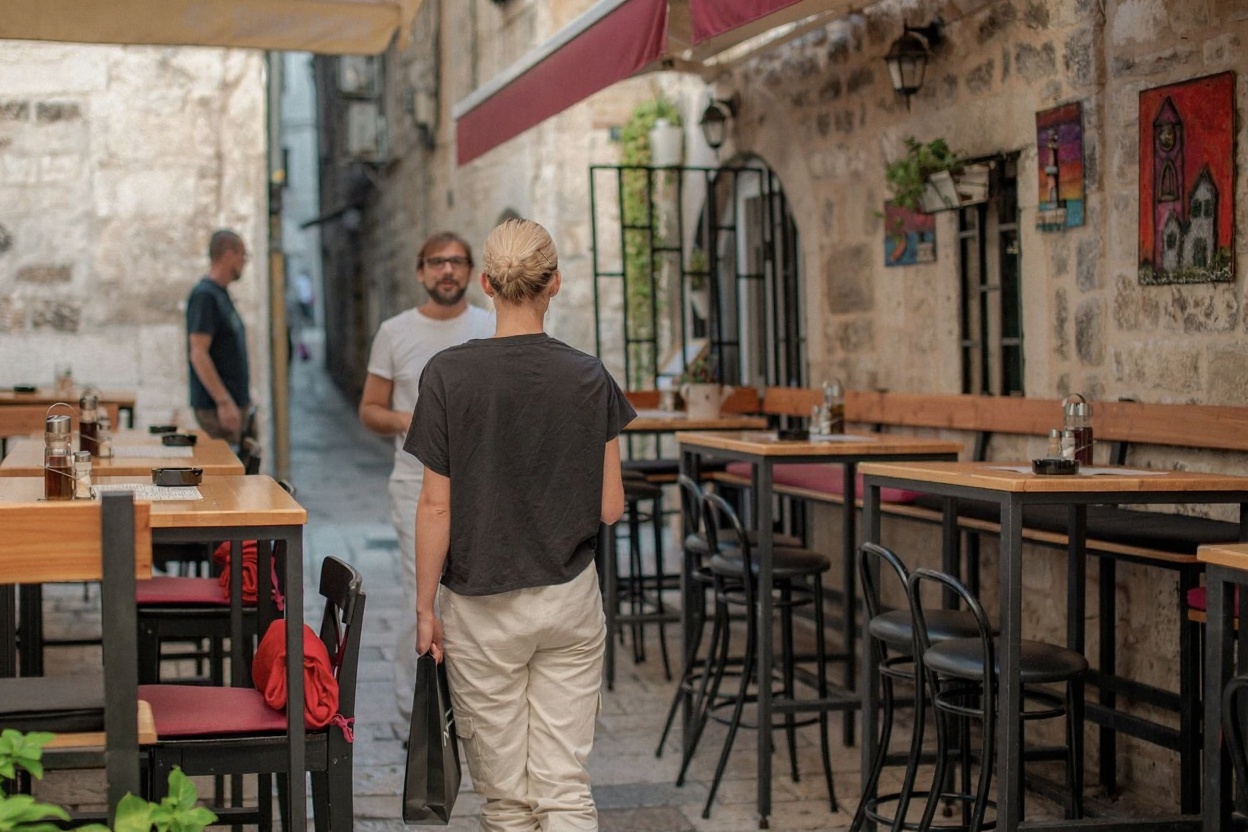
These restaurants aren’t bad. They’re also not where I eat. They know their customers have two hours before the ship sails, they price accordingly, and their kitchen throughput in peak hours is not the same as at 8pm when the ships have gone.
Pržun Restaurant: Away from the crowds in the centre of the Old Town. Simple food, genuine atmosphere, no English menu outside. The kind of place where locals eat alongside tourists because it hasn’t been optimised for Instagram. Worth seeking out.
Jadran Restoran: Right on the seafront, but positioned between the main cruise ship tourist area and the Sea Gate — it’s less hammered than places on the main square. They serve seafood directly on the water, tables right at the bay. The seafood platter for two is a legitimate meal.
Galion Restaurant: Slightly outside the Old Town on the north side. The crni rižot is there. Book in summer. The fjord views are what they are.
One traveller who’d just finished a Kotor trip said: “Over the entire trip we can only recall two places where the food and service justified the bill.” That’s a real complaint and it applies to the bad choices — not the ones above, but the obvious cruise-ship-facing terrace restaurants that exist to turn tables quickly in a 2-hour window.
Where to Eat in Budva and the Riviera
Budva is the mass-market coastal resort. The food reflects this — lots of pizza and burger places alongside the seafood restaurants, and prices calibrated for the package holiday market (which means slightly inflated versus local eating, but not offensively so).
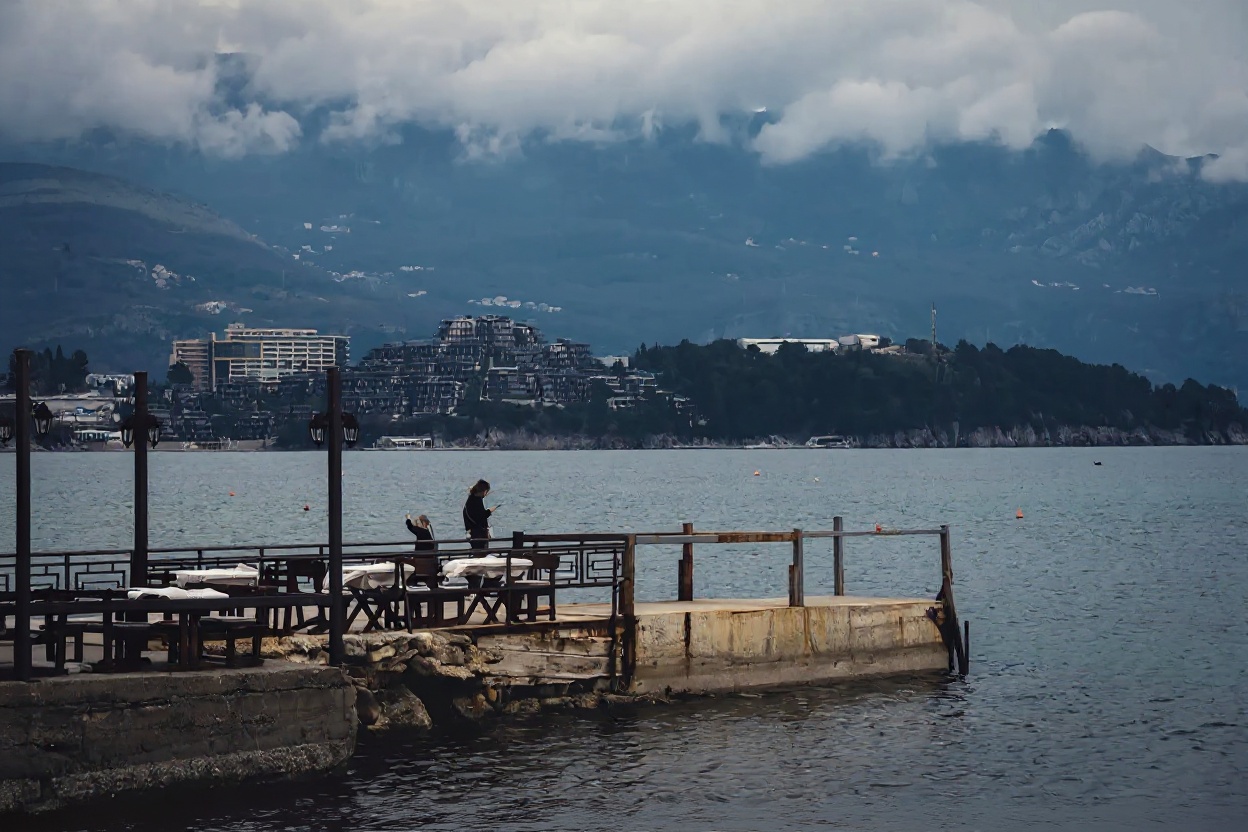
The waterfront restaurants in Budva Old Town do a reasonable job of the standard Adriatic menu — seafood, grilled fish, mussels. They’re not as good as the best Kotor places but they’re convenient and don’t require navigating away from the obvious spots.
BBQ Tanjga — mentioned by a recent traveller as “an excellent spot if you’re craving a hearty serving of meat and fries” — is a casual option that delivers what it promises without pretension. Gets busy, so arrive early at lunch or dinner.
Further south toward Petrovac and Bar, the restaurant density drops but the quality-to-price ratio improves. Less tourist money flowing through means less tourist margin on the food. Worth keeping in mind if you’re travelling the coast.
Mountain Food: Durmitor and the Interior
Žabljak, the main town for Durmitor National Park, has a handful of restaurants that exist for hikers and domestic tourists rather than international cruise ship traffic. The food is rougher, cheaper, and often better for it.
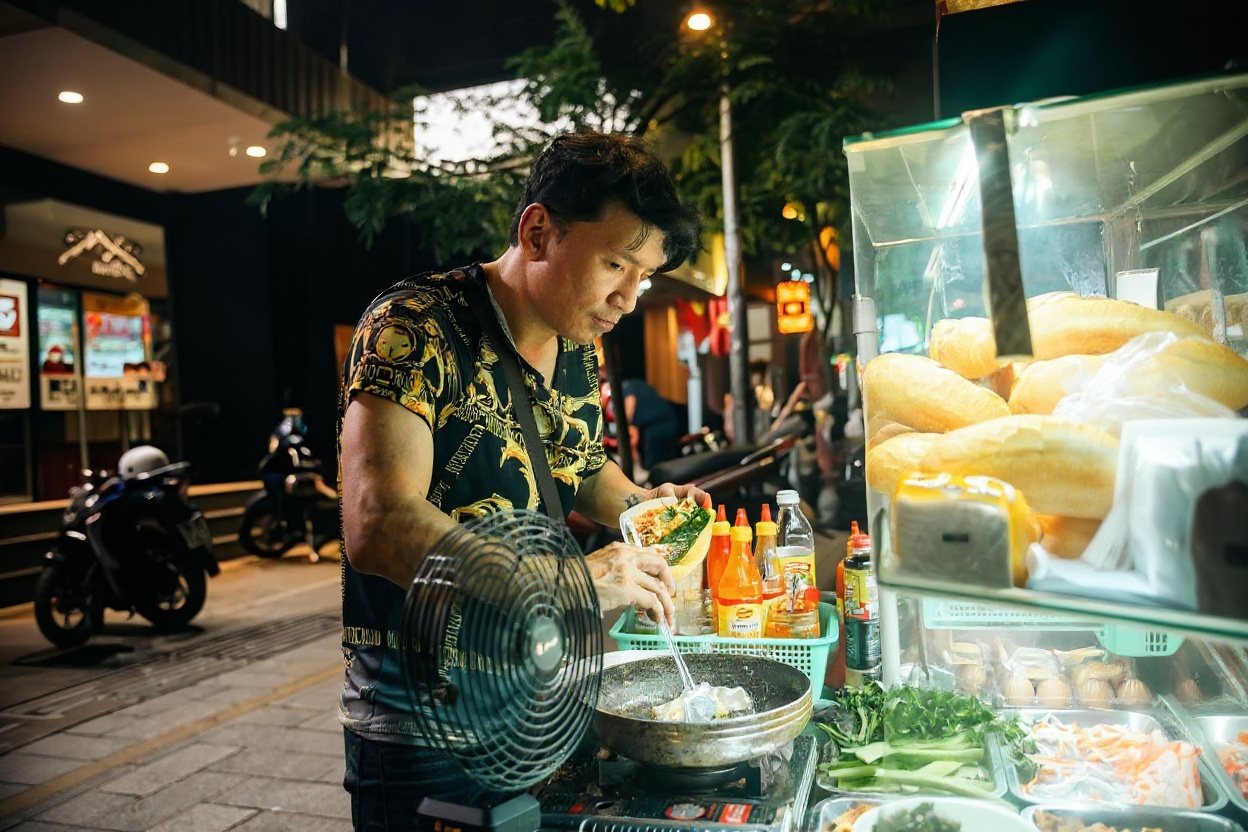
What you’ll find: lamb roasted on a spit (ražanj), grilled pork cutlets, beans cooked with smoked meats, fresh trout from the Black Lake tributaries, and versions of cicvara that are closer to the original recipe than anything served in Kotor.
A meal at a mountain restaurant in Žabljak runs €8–14 for a main course, beer included if you want it. The mountain restaurants don’t do the Adriatic seafood — they’re too far inland for it to arrive fresh. They do the local thing. This is the correct approach.
One tip that came from a recent traveller: halfway up the Ladder of Kotor — the ancient hiking route above the Old Town — there’s a small cheese shop run by an elderly couple who produce their own cheese, wine, and rakija. “It’s a simple shack operated by a delightful elderly couple who raise goats and produce cheese, wine, and rakija.” This is worth the climb on its own.
Montenegrin Wine
Plantaže is Montenegro’s dominant winery — 2,300 hectares of vines in the Zeta valley, the largest single vineyard in Europe by some counts. The Vranac (vra-NATZ) grape is indigenous to this region and produces a wine that tastes of dark plum and dried herb, with tannins that are more structured than you’d expect from a Balkan wine.
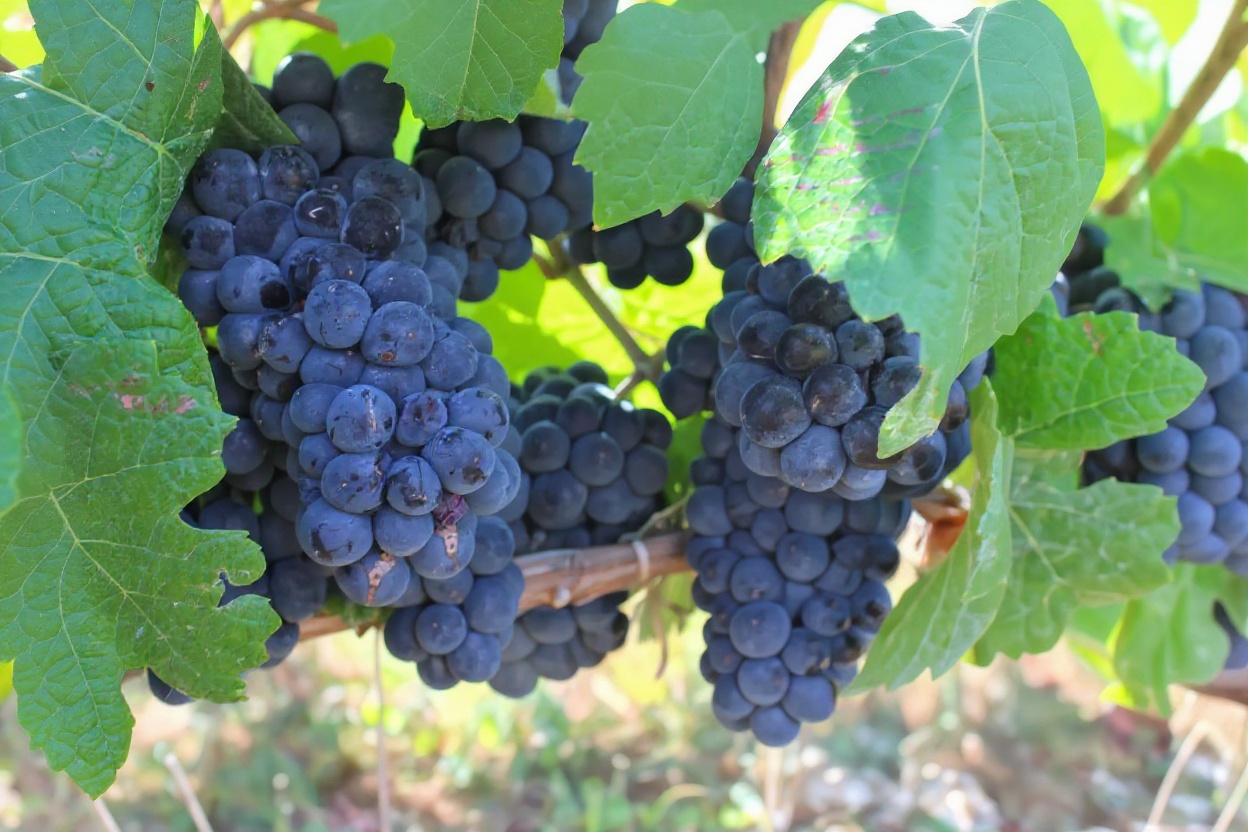
It costs €4–6 per glass at a restaurant, €8–12 for a bottle in a supermarket. This is not expensive for wine of this quality. Order a glass at any coastal restaurant in Montenegro and you’ll understand why people talk about it.
The local craft wine scene is developing, particularly around Podgorica. If you find yourself at a restaurant offering a small-producer Montenegrin wine alongside the Plantaže, try it — these are usually from small family vineyards that produce for the domestic market only.
Rakija (the regional fruit brandy) is served everywhere. Grape rakija is the standard; plum rakija (Å¡ljivovica) is the variant if you want something more particular. It’s offered as a digestif at the end of meals, sometimes free. Never refuse rakija from a Montenegrin host. That’s not a food guide note — it’s a social one.
Perast and the Bay of Kotor Villages: Where to Eat on a Road Trip
The Bay of Kotor is 28km of winding waterfront connecting a dozen small villages. Most visitors drive directly to Kotor and miss the food opportunities along the way. This is a mistake.
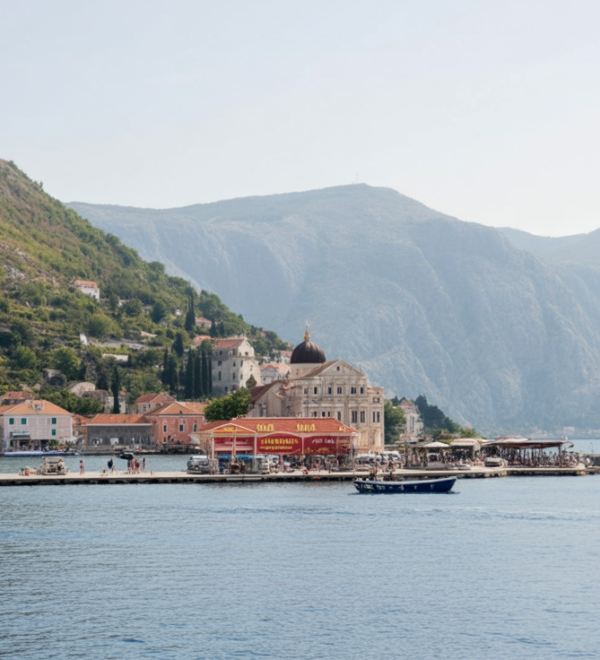
Perast, 12km north of Kotor, has 400 residents, two island churches, and a waterfront restaurant strip that serves the same Adriatic seafood as Kotor at roughly 25% lower prices — because Perast gets day-trippers rather than cruise ship crowds. The Scala restaurant on the waterfront does an excellent buzara and has outdoor seating directly on the bay. Tables empty by 4pm when the day-trippers leave, making the dinner slot (6pm onwards) one of the quieter, better-value meals on the bay.
Morinj, at the bay’s end near the canal, has a fish restaurant by the bridge that I’ve been using for four years. No English name on the outside. They serve fresh trout from the nearby springs and whatever caught that morning. This is the kind of place that has three items on the menu and makes all of them very well. Budget €12–16 for a fish main and salad.
Risan, the oldest settlement on the bay (Roman mosaics in the floor of a house near the harbour), has a waterfront café strip that’s mainly for coffee and ice cream rather than full meals — but the bakeries here open early and the burek (meat or cheese pastry) is the right breakfast before a day of driving.
If you’re driving the full bay circuit, eating strategy: breakfast in Risan, lunch in Perast, afternoon coffee stop in Stoliv, dinner in Kotor after 7pm when the cruise ships have gone. This distributes the meals across the bay in a way that hits the best spots without doubling back.
Montenegrin Coffee Culture
Montenegro drinks coffee the way the Italians drink coffee — seriously, slowly, and as an excuse to sit still for 45 minutes and talk. The difference is the price: espresso in Kotor Old Town runs €1.50–2.50; the same in Perast or Žabljak is €1–1.50. These are not significant numbers but they illustrate the tourist premium on the Kotor circuit.
The standard order is a mali bijeli — a small white coffee, roughly equivalent to a flat white but denser. Ask for it anywhere. Or macchiato if you want a single shot with a dash of milk. Cappuccino exists but is considered slightly foreign.
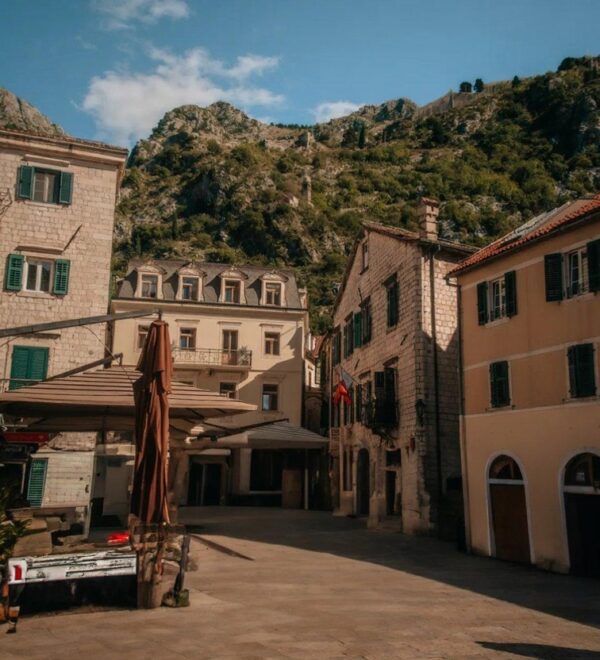
The kafana (traditional tavern-café) is the social unit of Montenegrin life. Coffee, a small glass of water, an hour of conversation. These places open at 7am and stay open until midnight without a defined transition between breakfast café, lunch spot, and evening bar. The transition happens gradually as the day moves. The kafana in Kotor Old Town — the ones away from the tourist strip — are where locals sit for an hour watching whoever walks past. These are worth finding.
In the evening, the café scene transitions into wine bars (konoba). Kotor has several good ones in the Old Town’s quieter streets — north of the main square, toward the Cathedral of Saint Tryphon. The wine list will be predominantly Plantaže; the better ones will have a small-producer section. Glass of Vranac, plate of prÅ¡ut and cheese, a konoba interior that’s been a wine cellar for 200 years. This is a good evening.
Montenegro Food Prices: What Things Actually Cost in 2026
The price gap between tourist-facing restaurants and genuine local places in Montenegro is large enough to be worth planning around.
Breakfast in Montenegro: The Bakery Strategy
Montenegro has a bakery every 200 metres, and the bakeries open at 6–7am. This is the budget traveller’s most useful fact.
The standard Montenegrin bakery breakfast: burek (filo pastry with cheese — sirnica — or meat — mesnica), fresh bread with kajmak (clotted cream cheese), and a small coffee. Total cost: €2–3.50. Compare that to a sit-down hotel breakfast at €8–12 and the maths are immediate.
The burek is the thing. It comes in a large tray, sold by weight or by the slice. The cheese version (sirnica) is the one I’d point at first — the soft sheep’s cheese melts between the filo layers in a way that makes the whole thing smell of the mountain above Kotor. Order it warm, straight from the oven. It goes cold quickly.
In Kotor Old Town specifically, the bakery near the North Gate (Gurdić Gate) opens at 6:30am and serves the local population before tourists are up. This is the bakery to find. There are no photographs of it. The bread is excellent. The burek is €1.20 a slice.
In Žabljak and the mountain towns, the breakfast offering extends to homemade jam, mountain honey, and soft cheese served with bread — the standard Montenegrin rural breakfast that hasn’t changed much in 50 years. Order it at your guesthouse rather than at a restaurant and it will be better and cheaper.
Montenegrin Food to Take Home
Several Montenegrin food products travel well and are genuinely good enough to be worth the luggage space.
Njeguški pršut (vacuum-packed): The smoked prosciutto from the village of Njeguši, vacuum-sealed, keeps for weeks and passes through airport security without issue. Buy it at the Kotor market (€20–25/kg), at the shops in Njeguši village itself (slightly cheaper, better quality), or at the Voli supermarket chain (more expensive, more consistent). The vacuum packs come in 200–300g portions.
Njeguški cheese (hard variety): The aged hard cheese from the same mountain area above Kotor. Vacuum-packed, pungent, very good with wine or on bread. Sold at the Kotor market and at the village shops above Kotor on the road to Cetinje. €8–12/kg.
Plantaže wine: The Vranac in bottle (€4–6 at supermarkets) is worth taking home if you can fit it in checked luggage. The Plantaže Pro Corde label is the one wine writers outside Montenegro occasionally mention; the standard Vranac is what locals drink and is entirely adequate. Buy at any Voli or Idea supermarket.
Local olive oil: The Bay of Kotor area has ancient olive groves and the olive oil from small producers is distinct — greener, more peppery, more interesting than commercial Italian equivalents. Sold in 500ml–1L bottles at the Kotor market and at some agricultural shops in the villages along the bay. €6–10 for 500ml from a good producer.
Honey: Montenegrin mountain honey from the Durmitor area is unusual — wildflower varieties from meadows at 1,200–1,500m altitude, with a flavour profile that’s significantly more complex than the supermarket kind. Sold at the Žabljak market and at some Kotor market stalls. €5–8 for a 250g jar.
Loza / Rakija: The fruit brandy — grape-based loza or plum-based šljivovica — is available everywhere and cheap (€5–12 for a good 500ml bottle). It’s also technically a liquid over 100ml, which means you’ll be checking it rather than carrying it on. Worth it if you’re checking a bag. A bottle of decent homemade rakija from a local farmer’s market in Žabljak costs €6–8 and is dramatically better than anything commercial.
Eating in Season: When to Visit for the Best Food
Montenegro’s food is genuinely seasonal in a way that mass-market Southern European destinations aren’t.
Spring (April–June): The best mussels of the year — grown all winter in clean Adriatic water, harvested when the water temperature is still cold enough to concentrate the flavour. The early spring vegetable dishes appear: lamb with spring onions, young cheese from the first sheep’s milk of the season. Restaurants are less crowded and often at their best — chefs cooking for quality rather than volume.
Summer (July–August): Peak season. The seafood is still good but the restaurants are under pressure from volume. “Massive crowds” are mentioned repeatedly by travellers who visit in this window. The food quality at tourist-facing restaurants specifically drops during cruise ship peak hours. Avoid the obvious restaurant rows from 10am to 4pm; the quality improves dramatically after 7pm when the ships leave.
Autumn (September–October): This is Tom’s recommendation for the best food visit. Temperatures are still warm enough for terrace dining but the tourist volume has dropped. The wine harvest in the Zeta valley happens in September — a genuinely good time to visit the Plantaže winery or any of the family vineyards producing Vranac. The mushroom and game season begins in the mountains: Durmitor’s restaurants serve wild mushroom dishes in October that don’t appear on the summer menu at all. First snow on Durmitor usually falls in November. The autumn window before that is the best of the year.
Winter (November–March): The coast winds down — many restaurants in Budva and the riviera close entirely from November to March. Kotor stays open year-round as a residential city. The winter menu in Kotor Old Town restaurants is smaller and more focused: njeguški steak, lamb slow-cooked in a peka (metal dome under embers), cicvara with aged cheese. This is excellent winter food and the Old Town in January — without cruise ships, without crowds — is a completely different and genuinely good experience.
One practical note worth adding for anyone visiting in summer: some of the best Montenegro food experiences are a short drive outside Kotor. The Njeguši village — 12km up the winding road to Cetinje — has small family-run restaurants serving the definitive versions of the local dishes. The pršut is made here. The cheese is made here. A meal at one of the village restaurants costs half what it costs on the Kotor waterfront. Take a taxi up, walk down the old mule path, and you’ve done both the food and the views in a single morning. This is the recommendation I give to every friend visiting Montenegro who wants to eat well without paying Adriatic tourist prices.
- What is the traditional food of Montenegro?
- Montenegro has two distinct food traditions: coastal (Adriatic seafood — mussels, squid, sea bass, crni rižot) and mountain (njeguÅ¡ki steak, smoked prÅ¡ut, cicvara, lamb spit-roast). The defining products are njeguÅ¡ki prÅ¡ut (smoked prosciutto from the village above Kotor) and Plantaže Vranac wine. Eat the seafood on the coast and the mountain meat dishes when you’re in the interior.
- What are the best restaurants in Kotor Old Town?
- Avoid the cruise ship tourist row during peak hours (10am–4pm July–August) — the quality and value both suffer. Better options: Pržun Restaurant (away from the main tourist flow, local atmosphere), Jadran Restoran (seafront, between the main tourist area and the Sea Gate), and Galion Restaurant (slightly outside the Old Town, excellent crni rižot). Book ahead in summer for dinner slots after 7pm when the cruise ships have left.
- How much does food cost in Montenegro?
- Budget meal (tavern, local restaurant): €8–12 for a main course and drink. Mid-range sit-down meal with wine: €25–35 per person. Seafood is priced by weight at many places — check the price per kg before ordering grilled fish. A plate of mussels (buzara) runs €8–12. There’s a tourist tax of €1/person/night payable in cash at a local office — small but worth knowing.
- Is the food good in Montenegro?
- Yes, consistently — if you choose correctly. The raw ingredients are excellent: fresh Adriatic catch, indigenous Vranac grape wine, njeguÅ¡ki prÅ¡ut that’s been made the same way for centuries. The variable is the restaurant. Avoid places visibly optimised for cruise ship turnover; seek out spots with shorter menus and local clientele. The best Montenegrin food is simple, honest, and very good.
- What should I avoid eating in Montenegro?
- Food poisoning has been reported occasionally — one traveller described Montenegro food as “a huge hit or miss” and mentioned a bad meal on their trip. Avoid seafood restaurants with obvious frozen produce (check whether the fish is displayed fresh) and anything on a busy tourist street in peak hours. The quality disparity between good and bad restaurants is real. Shorter menus, local clientele, and slightly out-of-the-way locations are usually indicators of better kitchens.
- What’s the best Montenegrin wine to try?
- Plantaže Vranac — the red wine from Montenegro’s dominant winery in the Zeta valley. Tastes of dark plum and dried herbs, well-structured, genuinely underrated by international wine writers who rarely cover the Western Balkans. Costs €4–6 per glass at restaurants, €8–12 per bottle retail. Try it. If you want something more distinctive, ask for a small-producer label from a restaurant that carries them.